

Venezuela and Colombia cancel pivotal presidential meeting due to unforeseen circumstances
Venezuela and Colombia cancel pivotal presidential meeting due to unforeseen circumstances
- The planned presidential meeting between Venezuela and Colombia was canceled just a day before it was set to occur.
- Both governments cited 'force majeure' as the reason for the cancellation, without further elaboration.
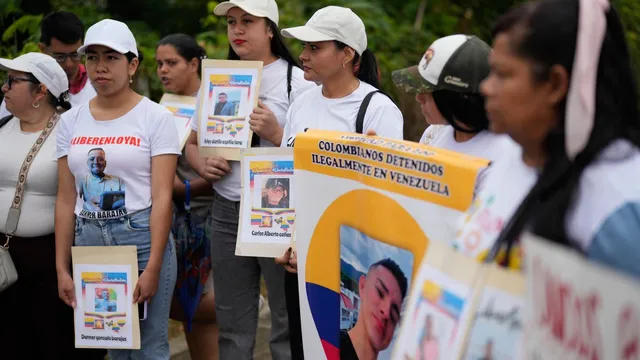
- The cancellation has disappointed the families of Colombian prisoners in Venezuela who were hoping for a resolution during the scheduled talks.
Story
On March 12, 2026, the governments of Venezuela and Colombia called off a significant presidential meeting planned for the following day at their shared border. This meeting was anticipated to be the first official engagement of Venezuelan acting President Delcy Rodríguez with a Latin American leader after assuming office in January 2026. The agenda was proposed to include discussions on crucial topics such as border security in light of illegal armed groups linked to drug trafficking and the potential for Colombia’s import of Venezuelan natural gas. In an official joint statement released by Venezuela's Foreign Affairs Ministry, the cancellation was attributed to 'force majeure,' although no specific reasons were provided. The statement indicated that both governments are committed to fostering trust, cooperation, and strengthening bilateral relations. Colombian President Gustavo Petro, who had communicated with U.S. President Donald Trump regarding the meeting, continues to extend an invitation to Rodríguez to reschedule the talks at a future date. This cancellation has disappointed various groups, particularly families of Colombian prisoners held in Venezuela who had hoped the meeting could lead to their relatives' release. Families gathered at the Atanasio Girardot Binational Bridge on the Colombian side, where they aimed to appeal for their loved ones' release. The disappointment was palpable as many had made plans in the hope of a prisoner handover during what had been scheduled as the first direct presidential meeting of the year. Since the U.S. military operation that resulted in the capture of then-President Nicolás Maduro, these families have faced growing challenges, with several previous opportunities for engagement also dashed. Several protests have occurred, reflecting the ongoing plight of prisoners and highlighting the hope for familial reuniting that has been consistently thwarted. Despite the setbacks, Colombian authorities have noted that some Colombian prisoners have been gradually released since diplomatic relations have improved, but many remain behind bars, fuelling the urgency of their families' appeals for justice and release.


