

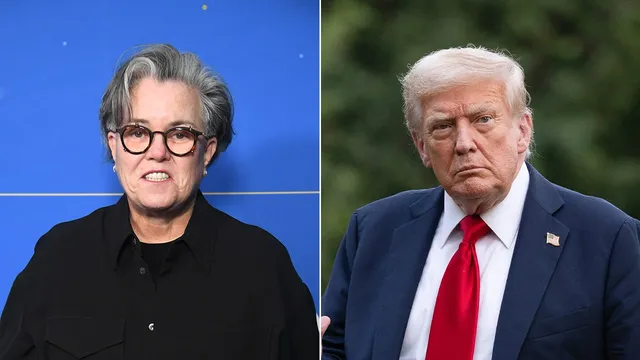
Debbie Wasserman Schultz blames Trump for National Guard danger
Debbie Wasserman Schultz blames Trump for National Guard danger
- A shooting incident occurred in Washington, D.C., resulting in one National Guard member dead and another injured.
- Debbie Wasserman Schultz blamed President Donald Trump's deployment of the National Guard for putting them in danger.
- This incident reignited debates about the appropriateness of deploying military forces in urban environments.
Story
In the United States, on November 24, 2025, two National Guard members were shot in an ambush-style attack in Washington, D.C. The assailant, an Afghan national named Rahmanullah Lakanwal, allegedly targeted the soldiers, resulting in the death of one Guard member, Sarah Beckstrom, while Andrew Wolfe was injured and receiving treatment. Reaction to this incident was swift, particularly from political figures. Florida Representative Debbie Wasserman Schultz directly criticized President Donald Trump, asserting that his orders to deploy the National Guard in U.S. cities were to blame for putting their lives at risk. She questioned why Trump hadn’t reconsidered deploying military troops to the nation’s capital in light of the tragic incident, emphasizing the importance of reviewing military deployments in urban areas where law enforcement already exists. The deployment of troops in D.C. had been a contentious issue, as many argued that it was unnecessary and performed for political reasons. Juliette Kayyem, a writer for The Atlantic and CNN national security analyst, echoed Schultz’s sentiments, stating that Trump's military deployments put service members in unnecessary danger. Kayyem’s comments sparked backlash, particularly from conservatives who defended the National Guard presence, citing reductions in crime rates since their deployment. The White House responded vehemently to Wasserman Schultz and Kayyem's statements, with spokesperson Abigail Jackson indicating that policies from the Biden administration had led to the influx of unvetted individuals posing threats to national security. The complexity of the situation highlighted the ongoing debate over the military's involvement in civil affairs and the political motivations behind their deployment in urban settings, underscoring the risks that service members may face as a result of political decisions.
Context
insight insight analysis economic strategic geopolitical policy strategic economic strategic economic global policy shift geopolitical geopolitical geopolitical global policy economic insight shift impact data policy policy impact policy policy economic trends market strategic data market trends global insight analysis data policy trends impact insight trends market analysis insight geopolitical strategic economic analysis analysis impact insight analysis strategic trends geopolitical economic trends impact global shift strategic trends strategic data global trends market insight data geopolitical shift analysis shift policy market analysis...


