

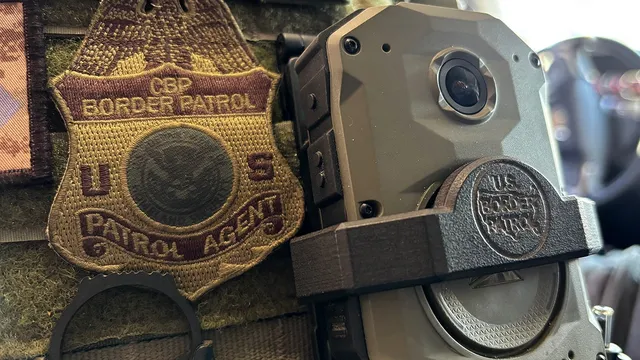
Kristi Noem mandates body cameras for all immigration officers in Minneapolis
Kristi Noem mandates body cameras for all immigration officers in Minneapolis
- In response to accountability demands after two U.S. citizens were shot by federal agents, all Homeland Security officers in Minneapolis will receive body-worn cameras.
- Kristi Noem highlighted the initiative as a proactive measure toward transparency in immigration enforcement.
- This policy change signifies a critical step toward addressing community concerns and restoring trust in federal immigration operations.
Story
In the United States, significant developments have unfolded in Minneapolis regarding federal immigration enforcement operations. Following the fatal shootings of two U.S. citizens, Alex Jeffrey Pretti and Renee Nicole Good, by federal immigration officers, DHS Secretary Kristi Noem announced a major policy shift on February 2, 2026. Her directive mandates that all Homeland Security officers deployed in Minneapolis wear body-worn cameras effective immediately. This action responds to growing bipartisan calls for transparency and accountability, particularly after these shooting incidents led to public outcry and demands for better oversight of federal immigration enforcement activities. The announcement of body cameras for officers is part of a broader effort by Noem and her administration to ensure accountability in the wake of heightened tensions surrounding immigration operations in Minneapolis. The surge of federal immigration officials in the area has been a controversial topic, with local communities expressing concerns about the aggressive tactics employed by agents. Democratic leaders, including Senate Democratic leader Chuck Schumer, have stressed the need for more accountability and transparency within the immigration enforcement framework, emphasizing that the American people are supportive of law enforcement but are concerned about perceived instances of excessive force. In recent weeks, there has been a notable increase in demands for scrutiny of how immigration enforcement is conducted, particularly in urban areas. The deaths of Pretti and Good have been pivotal in highlighting the urgent need for policy and procedural reforms within the Department of Homeland Security. Noem's commitment to equipping officers with body cameras represents an acknowledgment of these concerns, and her administration plans to expand this program nationwide as funding becomes available. This move aligns with previous directives aimed at improving policing practices across federal law enforcement agencies. Amid this policy change, President Donald Trump expressed his approval of the body camera initiative during an Oval Office briefing, recognizing the potential benefits of the technology in creating transparency in law enforcement operations. He emphasized that the existence of cameras tends to promote accountability by ensuring that events are documented accurately, thereby reducing the potential for disputes about the conduct of officers. Furthermore, this announcement comes at a time when the country is facing a partial government shutdown due to stalled negotiations over federal funding and immigration reform, which has intensified the urgency surrounding the discussion of body cameras and other accountability measures. As federal agencies navigate these challenges, the implications of Noem's announcement will reverberate through ongoing discussions about law enforcement practices and community relations in Minneapolis and beyond.
Context
The impact of body cameras in law enforcement has been a subject of extensive research and debate in recent years. Body-worn cameras (BWCs) have gained prominence as a tool aimed at increasing transparency and accountability within police departments, while also providing a means of protecting both officers and the communities they serve. The utilization of these cameras is intended to foster a better relationship between law enforcement agencies and the public by documenting interactions, thereby reducing incidents of misconduct and enhancing the overall integrity of policing practices. Studies have shown that the presence of body cameras can lead to a reduction in the use of force by officers as well as a decrease in complaints against police, suggesting that both officers and civilians may be more inclined to behave appropriately when they know their actions are being recorded. Moreover, body cameras serve as valuable evidence in investigations and legal proceedings. The recorded footage can provide an objective account of events, which can be crucial in resolving disputes between parties involved in police encounters. Furthermore, these recordings can improve procedural justice by allowing for a review process that can provide insights into the actions taken by law enforcement during critical incidents. Some jurisdictions have implemented body camera policies that emphasize not only recording interactions but also ensuring that footage is managed correctly, with a clear protocol for its availability and use in oversight and training. This practice encourages a culture of accountability and continuous improvement within police forces. However, the implementation of body camera programs is not without its challenges. Concerns regarding privacy, data storage, and access to footage are prevalent. Citizens may feel that body cameras infringe upon their rights, particularly in sensitive situations where privacy is paramount. Law enforcement agencies must balance the need for oversight with the obligation to protect individual privacy rights. Furthermore, the technical aspects of managing the vast amounts of data generated by body cameras can be overwhelming for some departments. The costs associated with data storage, management, and training officers to effectively use these cameras also play a significant role in the successful implementation of such programs. In conclusion, while body cameras have the potential to greatly enhance the accountability and transparency of law enforcement, careful consideration must be given to the policies governing their use. The success of body camera programs largely depends on proper training for officers, clear guidelines regarding data management, and active engagement with community members to address privacy concerns. Ultimately, when implemented thoughtfully, body cameras can be a significant asset to law enforcement agencies, contributing positively to the relationship between police and the communities they protect.


