

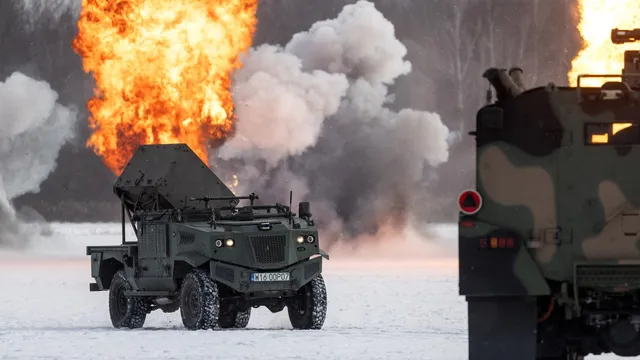
Poland withdraws from mine treaty to bolster defense against Russia
Poland withdraws from mine treaty to bolster defense against Russia
- Poland officially withdrew from the Anti-Personnel Mine Ban Treaty due to perceived threats from Russia.
- The country plans to begin domestic production of antipersonnel and anti-tank mines to enhance border security.
- Officials state that mines will only be deployed in response to a realistic threat of Russian aggression.
Story
Poland has officially withdrawn from the Anti-Personnel Mine Ban Treaty, announcing its intention to begin domestic production of both antipersonnel and anti-tank land mines. This decision comes in light of escalating tensions with Russia and the perceived threat it poses to Poland and its eastern borders. The country's deputy defense minister, Pawel Zalewski, highlighted the need for enhanced defense measures due to Russia's aggressive intentions towards its neighbors. The Anti-Personnel Mine Ban Treaty, which Poland ratified in 2012 and completed the destruction of its domestic antipersonnel mine stockpile in 2016, prohibits member nations from producing or using antipersonnel mines. By withdrawing from this treaty, Poland aligns itself with several other nations that have recently reconsidered their participation in light of the ongoing conflicts, particularly following Russia's full-scale invasion of Ukraine. Poland's decision underscores a significant shift in defense policy and strategy, positioning the country to renew its military capabilities in response to regional threats. The Polish government plans to create mine stockpiles as part of a broader fortified defense initiative known as the Eastern Shield, aimed at securing borders with both Belarus and Russia. The government asserted its dedication to only deploying mines in scenarios where there is a


