

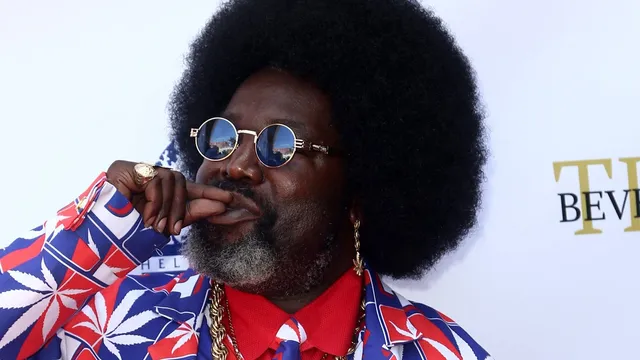
Afroman wins lawsuit against police over mocking their 2022 raid
Afroman wins lawsuit against police over mocking their 2022 raid
- Afroman faced a lawsuit from seven Ohio sheriff's deputies for music videos mocking their 2022 raid.
- The court ruled in favor of Afroman, asserting his right to free speech.
- This case underscores the tension between artistic expression and the criticism of public officials.
Story
In Ohio, Grammy-nominated rapper Afroman, whose real name is Joseph Foreman, recently prevailed in a defamation lawsuit brought against him by seven sheriff's deputies. These officers had sued Afroman over music videos that utilized home security footage from a raid on his home, which occurred in 2022. The raid was conducted as part of a suspected drug and kidnapping investigation but did not result in any charges against Afroman. Afroman defended his actions by asserting his First Amendment rights and arguing that the officers deserved criticism for their actions during the raid. He claimed that the raid traumatized his children and caused emotional distress. In court, he expressed that he believed he had a right to share his story and critique law enforcement's actions. The videos in question included humorous and satirical content that featured the deputies in unflattering light, leading to the deputies claiming they were defamed by Afroman's artistic expressions. During the trial, Afroman testified that he aimed to turn a negative experience into creative content and emphasized that one of the deputies took interest in a lemon pound cake during the raid, which inspired the title of one of his songs. The jury ultimately sided with Afroman, agreeing that his artistic expression fell under the protection of free speech. Afroman's lawyer stated that public officials should expect some critique and that using the courts to silence criticism poses a significant threat to freedom of expression. The trial concluded with a defense verdict for Afroman, demonstrating the legal boundaries of artistic expression versus defamation claims in relation to public officials. Afroman's victory highlights the importance of free speech rights, especially for artists who often address social issues through their work. The outcome also raises questions about the accountability of law enforcement officers and their actions during investigations.
Context
Freedom of speech in music commentary has become a pivotal issue in contemporary discussions about artistic expression, societal values, and legal boundaries. The music industry is a rich tapestry of opinions, influences, and cultural narratives, often reflecting the complexities of the human experience. Artists leverage their platforms to express diverse viewpoints, critique societal norms, and champion various causes, all of which raises questions about the extent to which their voices can be heard without repercussions. This freedom not only allows musicians to navigate personal and political themes but also encourages discourse among listeners, sparking conversations that can lead to social change or heightened awareness about pressing issues. The legal framework surrounding freedom of speech in music commentary is shaped significantly by First Amendment rights in the United States and similar protections in other democracies. While musicians enjoy the privilege of articulating their views through lyrical content, they are also bound by laws regarding defamation, hate speech, and copyright infringement. The tension between artistic license and legal limitations is frequently tested, particularly when lyrics are viewed as controversial or offensive. Consequently, this dynamic can lead to self-censorship among artists, as many may choose to temper their messages to avoid backlash, lawsuits, or industry pushback. This situation brings to light the detrimental potential of chilling effects on creativity and expression in the music realm. In addition to legal considerations, societal reaction to music commentary plays a significant role in shaping the discourse. Public reception can fluctuate widely based on cultural contexts, prevailing social attitudes, and the prevailing political climate, which can either empower or diminish an artist's message. For instance, commentary on social justice issues is often lauded during times of collective movements, while artists voicing dissenting opinions may face backlash or censorship. Platforms for music dissemination, including social media, can amplify both support and criticism, further complicating the landscape of music commentary. These platforms serve as modern arenas for public engagement, where followers and detractors alike can voice their opinions, leading to greater visibility for issues addressed in musical works. Ultimately, the conversation surrounding freedom of speech in music commentary is an ongoing dialogue reflecting broader societal struggles for representation and equity. As music continues to evolve, so too does the conversation about the role of artists as commentators and critics. Advocating for a nuanced understanding of these issues can help balance the need for artistic freedom with the responsibility of fostering constructive discourse. As listeners and consumers of music engage with this genre, it becomes essential to navigate these conversations with an emphasis on empathy, openness, and a commitment to upholding the principles of free expression while acknowledging the diverse impact that music commentary can have on society.


