
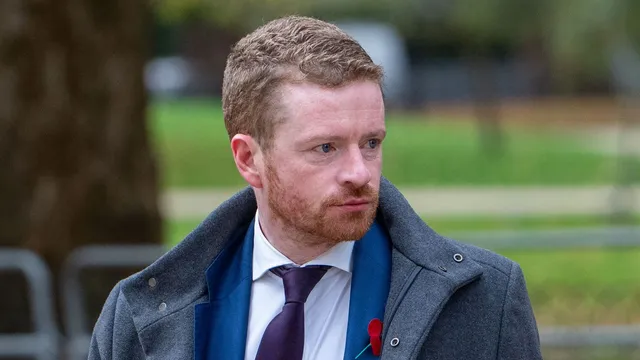
Morgan McSweeney resigns after controversy over Peter Mandelson's appointment
- Morgan McSweeney resigned as chief of staff to Sir Keir Starmer amid criticism over his advice regarding Peter Mandelson's appointment.
- His tenure saw the Labour party's image both revived and challenged, particularly after key electoral failures such as the Hartlepool by-election.
- This resignation reflects ongoing tensions within the Labour Party and the pressure on leadership as they navigate recent controversies.
Story
In the United Kingdom, Morgan McSweeney, chief of staff to Labour Party leader Sir Keir Starmer, has resigned following the fallout from the Peter Mandelson scandal. McSweeney admitted to advising Prime Minister Starmer to appoint Mandelson as ambassador to the US, a decision he later acknowledged was incorrect and took full responsibility for. This resignation comes amidst increasing political pressure on Starmer’s administration, as concerns about governance and the handling of appointments began to mount. McSweeney's close relationship with Mandelson and the attention surrounding the latter’s controversial past raised intense scrutiny over his judgement. Throughout his career, McSweeney has been noted for successfully steering the Labour Party back into an electoral position after years of decline. His influence, including during Sir Keir Starmer’s leadership bid and campaign strategies, has drawn criticism for allegedly sidelining the left faction within the party. This criticism intensified following an underwhelming performance in the 2021 Hartlepool by-election, where Labour lost a seat it had held since the 1970s, highlighting the vulnerability of Starmer's leadership. The controversial appointment of Mandelson was a focal point in McSweeney's downfall. Following the release of Epstein files that suggested Mandelson may have shared confidential information with convicted sex offender Jeffrey Epstein, backlash against both individuals grew significantly. The growing public sentiment against McSweeney highlighted the perception of his authority and influence as problematic. His resignation, described by some Labour MPs as overdue, could mark a turning point for Starmer, who faces mounting pressures and scrutiny from party members and the public. Critics have articulated concerns over the diminishing trust within the Labour Party, as McSweeney reportedly treated MPs with disdain, particularly during contentious discussions about welfare reforms prior to his departure. His influence was seen as overly controlling, and after experiencing setbacks within party strategies, his eventual exit might potentially open the door for a smoother leadership transition for Starmer. Looking ahead, the challenge will be how the Labour Party revitalizes its image and decision-making structures whilst moving past this controversy and addressing the concerns of its members.
