

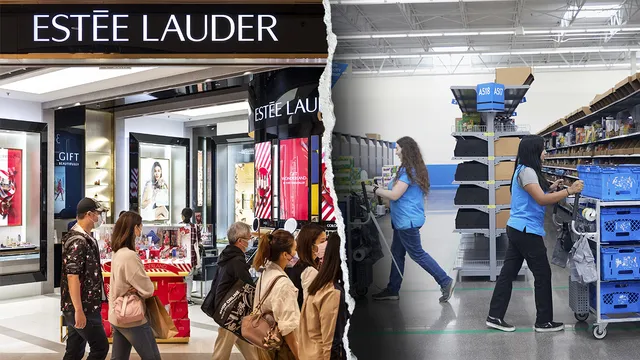
Estée Lauder sues Walmart for selling counterfeit products
Estée Lauder sues Walmart for selling counterfeit products
- Estée Lauder and several luxury brands have filed a lawsuit against Walmart for allowing the sale of counterfeit beauty products on its website.
- The lawsuit, filed in the U.S. District Court for the Central District of California, claims these counterfeit products mislead consumers about their authenticity.
- The outcome of this case could have significant implications for Walmart's responsibility for third-party sellers on its platform.
Story
In the United States, Estée Lauder Companies and its luxury brands have initiated legal action against Walmart over allegations of counterfeit beauty and fragrance items being sold on its online platform. The lawsuit was filed in the U.S. District Court for the Central District of California, asserting that Walmart allowed the sale of deceptive imitations of its high-end products. Items cited in the complaint include Estée Lauder’s famous Advanced Night Repair and Tom Ford fragrances, which were purportedly listed on Walmart’s website by third-party sellers as genuine products. The complaint indicates that consumers may be confused about the authenticity of items due to Walmart’s interface which suggests the retailer is the direct seller. In this legal action, Estée Lauder is also accusing Walmart of engaging in vicarious trademark infringement by holding them responsible for the actions of marketplace sellers on their platform. This legal stance follows a precedent set in a previous federal case involving Vans, where consumers were deemed likely to confuse products sold on Walmart's website as being directly sold by Walmart itself. The lawsuit entails claims that Walmart has control over the sellers by managing payments, order fulfillment, and returns, which further blurs the line of accountability regarding the product authenticity. Furthermore, Tom Ford is alleging that Walmart has infringed upon the trade dress of its Private Blend fragrance collection, claiming the knockoff products closely resemble the original's distinctive design elements, such as its rectangular bottle shape and unique cap. The lawsuit suggests that Walmart's practices enable counterfeiters, leading to significant harm to luxury brands' reputations and financial losses. The plaintiffs are seeking unspecified damages in the lawsuit, which they believe could potentially reach up to three times the amount if the court views the violations as intentional. They are also requesting the court to issue an injunction to stop the sales of these counterfeit products and mandate that any remaining inventory be destroyed, along with a requirement for Walmart to disclose information about the suppliers of these products. Walmart has acknowledged receipt of the complaint and emphasized their commitment to combating counterfeit items on their platform, indicating they would respond to the legal action as appropriate.


