

European leaders unite in support of US strikes on Iran
European leaders unite in support of US strikes on Iran
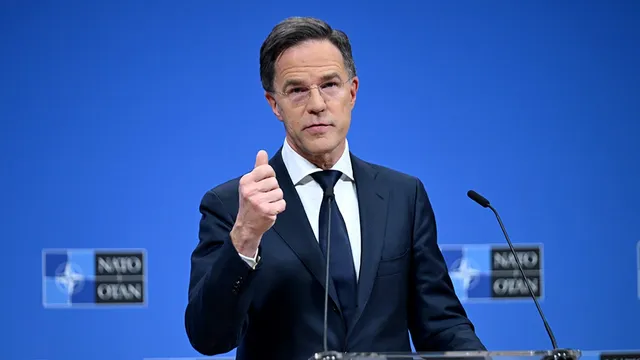
- NATO Secretary General Mark Rutte emphasized a unified stance among European allies in support of U.S. strikes on Iran.
- Australia's Prime Minister Anthony Albanese backed the actions due to Iran's history of supporting terrorism.
- The international response shows significant support for stopping Iran's military threats, despite legal concerns.
Story
In the wake of U.S.-led strikes on Iran, NATO Secretary General Mark Rutte expressed strong support for President Donald Trump's military actions, emphasizing a unified stance among key European allies. The strikes appear to be a response to Iran's escalating missile retaliation against Israel and Gulf states, prompting a declaration of solidarity among nations in Europe. Conversations over the weekend between Rutte and multiple European leaders revealed widespread backing for the operation, showcasing a collective acknowledgment of the threat posed by Iran's military capabilities and nuclear ambitions. Rutte highlighted the diplomatic discussions he had with various leaders, including Germany's Chancellor Friedrich Merz and representatives from France and the UK. He noted that European nations provided logistical support to the U.S. efforts, demonstrating their commitment to ensuring regional security amidst the tensions. He also mentioned a legal hesitation that the UK faced regarding providing access to U.S. forces, but emphasized that they ultimately aligned with the U.S. strategy. Australia's Prime Minister Anthony Albanese also voiced his support for the U.S.-Israeli strikes, motivated by the perception of Iran as a supporter of international terrorism, particularly referencing attacks that occurred on Jewish sites in Australia. Albanese’s endorsement followed the strike that resulted in the death of Iran's Supreme Leader Ayatollah Ali Khamenei. While Australia has committed to military alliances with the U.S., Albanese highlighted the need for caution with respect to international law, particularly in regard to the lack of authorization from the United Nations Security Council for the attacks. As the conflict escalated, the response from other nations, including New Zealand, was somewhat tempered, yet they too acknowledged the gravity of the situation and indicated their willingness to support actions that would prevent Iran from developing nuclear capabilities. This environment of international support presents a stark contrast to the legal and moral queries raised about the strikes, calling attention to complex international relations, regional security issues, and the balance between military action and international law. The geopolitical landscape is rapidly evolving and could lead to further military and diplomatic ramifications in the region.


