Trump promises Ukraine a license to produce Patriot missiles
politics
impactful
controversial

Trump promises Ukraine a license to produce Patriot missiles

80
(Update: )
country in Eastern Europe
president of the United States from 2017 to 2021
country primarily in North America
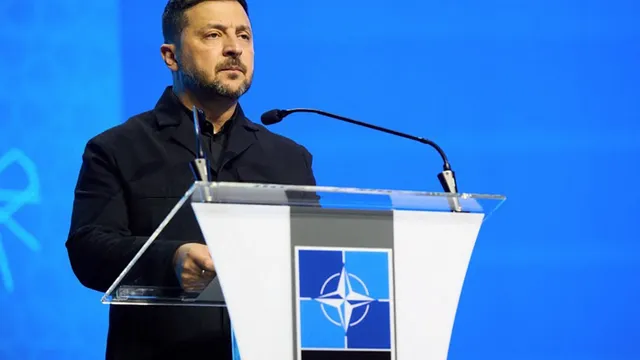
  • During a NATO summit in Turkey, President Trump announced a license for Ukraine to produce Patriot missiles.
  • Ukraine is facing a critical shortage of air defense systems amid ongoing Russian missile attacks.
  • Experts are skeptical about Ukraine's ability to quickly ramp up production of the sophisticated missile systems.
Share opinion
8

Story

In early July 2026, during a NATO summit in Ankara, Turkey, U.S. President Donald Trump announced that the United States would grant Ukraine a license to manufacture Patriot missile systems. This decision comes as Ukraine faces a critical shortage of air defense capabilities amid ongoing Russian missile strikes. The meeting between Trump and Ukrainian President Volodymyr Zelenskyy highlighted the urgent need for enhanced air defense systems in Ukraine, which has been heavily reliant on Western military support throughout the conflict with Russia. Trump emphasized that the license would allow Ukraine to produce its own interceptors, addressing complaints about insufficient U.S. military aid. Despite the promise of a license, experts remain skeptical about Ukraine's ability to ramp up production of the sophisticated missile systems quickly. The complexities involved in manufacturing Patriot missiles, including the need for specialized components and production facilities, pose significant challenges. Additionally, the ongoing conflict has strained supply chains, making it difficult for Ukraine to secure the necessary parts for production. While Trump expressed optimism about the potential for peace in the region, the reality on the ground remains dire, with Russia continuing to target Ukrainian infrastructure and military capabilities. The announcement has sparked hope among Ukrainians who have been under threat from Russian ballistic missile strikes. However, the timeline for Ukraine to begin producing these missiles is uncertain, with experts suggesting it could take years before any significant production occurs. The situation underscores the ongoing challenges faced by Ukraine in its defense efforts against Russian aggression, as well as the complexities of international military support and production capabilities. As the conflict drags on, the need for effective air defense systems remains critical for Ukraine. The Patriot missile system is one of the few capable of intercepting advanced ballistic missiles, which have been a significant threat to Ukrainian cities and military installations. The U.S. has previously been hesitant to provide direct military aid, citing its own depleted stockpiles and the need for NATO allies to contribute. Trump's recent comments indicate a shift in approach, but the effectiveness of this strategy in the short term remains to be seen.

Context

The effectiveness of Ukraine's air defense systems has been a critical factor in the ongoing conflict, particularly in the context of the Russian invasion that began in 2022. As the war has progressed, Ukraine has relied heavily on a combination of domestic and foreign-supplied air defense systems to protect its airspace from aerial threats, including missiles and drones. The integration of these systems has been pivotal in mitigating the impact of airstrikes on civilian infrastructure and military assets. Reports indicate that Ukraine's air defense forces have achieved a significant interception rate, successfully neutralizing a considerable percentage of incoming threats, which has contributed to maintaining operational capabilities and civilian safety amidst the conflict. The collaboration with NATO allies has also enhanced Ukraine's air defense capabilities, providing advanced technology and training that have proven essential in countering aerial assaults. The primary air defense systems employed by Ukraine include the S-300 and Buk missile systems, which have been instrumental in intercepting various aerial threats. Additionally, the acquisition of modern systems such as the Patriot missile defense system and the NASAMS (National Advanced Surface-to-Air Missile Systems) has further bolstered Ukraine's defensive posture. These systems are designed to engage a wide range of threats, from tactical ballistic missiles to cruise missiles and drones, thereby providing a multi-layered defense strategy. The effectiveness of these systems has been demonstrated through numerous engagements, where they have successfully intercepted missiles targeting key urban and military areas, thereby reducing potential casualties and damage. Moreover, the operational effectiveness of Ukraine's air defense has been enhanced by the use of advanced radar systems and command and control technologies, which allow for better tracking and engagement of aerial threats. The integration of intelligence, surveillance, and reconnaissance (ISR) capabilities has also played a crucial role in improving situational awareness and response times. This comprehensive approach to air defense has not only improved the interception rates but has also instilled a sense of security among the civilian population, which is vital for maintaining morale during prolonged conflict. In conclusion, the effectiveness of Ukraine's air defense systems is a testament to the resilience and adaptability of its military forces in the face of significant challenges. The combination of domestic capabilities and international support has created a robust air defense network that continues to evolve in response to the changing dynamics of the conflict. As the situation develops, ongoing assessments and enhancements to these systems will be essential to ensure that Ukraine can effectively defend its airspace and protect its sovereignty.