

Gas prices could drop below $3 by summer, says energy secretary
Gas prices could drop below $3 by summer, says energy secretary
- Energy Secretary Chris Wright projected that gas prices might drop below $3 per gallon in the summer.
- The ongoing U.S.-Israeli conflict against Iran is currently affecting global energy supplies.
- Resolution of the conflict could lead to more abundant and affordable energy for Americans.
Story
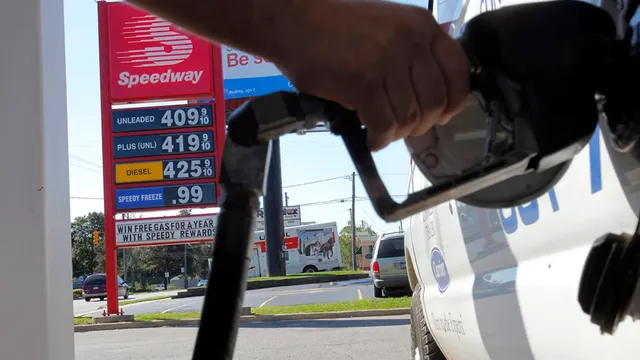
On March 15, 2026, Energy Secretary Chris Wright provided an optimistic projection regarding U.S. gas prices, indicating a potential drop below $3 per gallon by the summer. This statement came amidst rising gas prices, attributed largely to a current conflict involving the U.S. and Israel's military actions against Iran, which has threatened global energy stability. Wright explained that the situation was expected to improve as the military conflict resolved, ultimately resulting in more abundant and affordable energy supplies. He maintained that due to the perilous situation with Iran's military capabilities, particularly their control of the Strait of Hormuz—a critical maritime oil passage—Americans might continue feeling the pressure of higher gas prices for a few more weeks. Iran’s representatives have stated their intention to keep the Strait of Hormuz closed, significantly impacting oil supply chains and causing prices to spike. According to reports, gas prices in the U.S. averaged $3.70 as of March 14, having risen from $2.94 at the onset of the conflict. President Donald Trump has also expressed confidence that gas prices will decline, referencing the availability of oil and gas resources, albeit facing short-term disruptions. The ongoing military operations have been contentious, with criticisms emerging from political figures regarding the lack of clear objectives or planning from the administration. As tensions escalate, international collaboration is being sought to secure the Strait of Hormuz and restore stability in energy supply.
Context
The ongoing conflict between the United States and Iran has significant implications for global oil prices, a critical component of the international economy. With Iran being a key player in the oil market, any tensions involving U.S. sanctions or aggressive military posturing tend to disrupt the flow of oil, leading to volatility in prices. Historically, conflicts in the Middle East have led to immediate reactions in oil prices due to market speculation and fears of supply shortages. For instance, an escalation in military conflict or the announcement of new sanctions can lead to a spike in oil prices as traders react to perceived risks in supply chains, especially for crude oil which is a widely traded commodity on global markets. Moreover, given that a large portion of the world’s oil supply still passes through the Strait of Hormuz, any conflict that threatens this crucial shipping route can lead to increased prices as the potential for disruption looms large in the minds of investors and consumers alike. The interconnected nature of the global oil market means that price fluctuations caused by U.S.-Iran tensions can have far-reaching effects. Countries that rely heavily on oil imports, particularly in Europe and Asia, may experience increased energy costs that can lead to inflationary pressures domestically. This can result in consequential impacts on overall economic growth, as higher energy prices can reduce consumer spending and increase production costs for businesses. Additionally, countries with less diversified energy portfolios are particularly vulnerable to price shocks, as they may lack the ability to adjust to rising costs or find alternative sources of supply. In recent years, the U.S. has employed a range of strategies aimed at curbing Iran's oil exports, which has had the dual effect of reducing the overall supply of oil on the market while at the same time contributing to higher global prices. The OPEC+ coalition, which includes major oil producers such as Russia, has also contributed to managing oil prices by adjusting production levels. Their decisions, influenced by geopolitical factors including U.S.-Iran relations, serve to stabilize prices but can also lead to unintended consequences for smaller oil-exporting nations trying to compete in a fluctuating market. Thus, any increase in U.S. military action or sanctions directly corresponds with investor anxiety that can artificially inflate prices independent of actual supply changes. In conclusion, the U.S.-Iran conflict is a significant determinant of global oil prices, rooted in both historical precedent and current geopolitical dynamics. The ripple effects of this tension extend beyond immediate price hikes, influencing global trade patterns, inflation rates, and economic stability across nations. With the potential for escalation always present, stakeholders in the oil market must stay vigilant, as the implications of these geopolitical conflicts continue to shape the future of energy economics.


