

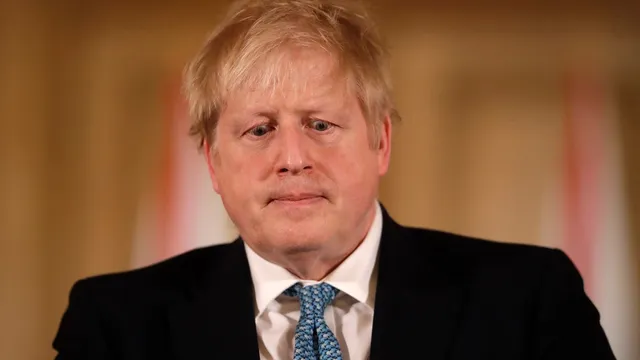
Boris Johnson attacks COVID inquiry findings and defends his actions
Boris Johnson attacks COVID inquiry findings and defends his actions
- Boris Johnson has been criticized for attacking the COVID inquiry's findings rather than acknowledging its conclusions.
- The inquiry highlighted a toxic response from the UK government, citing 23,000 unnecessary deaths due to delays in implementing lockdowns.
- The bereaved families are considering legal action against Johnson, asserting he has yet to show any regret or accountability.
Story
In the United Kingdom, former Prime Minister Boris Johnson recently criticized the findings of the COVID-19 Inquiry, which he himself had established. Families of those who died from the virus expressed outrage at his lack of contrition regarding the inquiry's conclusions that his government’s delays in locking down led to 23,000 extra deaths. Johnson's comments, made in his weekly newspaper column, unleashed a torrent of criticism as he labeled the inquiry findings as 'hopelessly incoherent' and accused its chair, Baroness Heather Hallett, of not adequately answering fundamental questions about the pandemic's origins and the effectiveness of lockdown measures. The inquiry, chaired by Baroness Hallett, revealed that decisions made by the UK government during the early stages of the pandemic had significant consequences, including criticism that the government did not act swiftly or decisively enough. The report claimed better measures could have saved tens of thousands of lives, and it condemned the chaotic culture in Downing Street during the pandemic response. Johnson's defense highlights his decision to initiate certain measures prior to the official lockdown, though he faces significant public backlash for dismissing the report’s findings rather than engaging constructively with the families of victims. Following the inquiry, many bereaved families have been vocal about their intent to seek accountability, describing Johnson’s remarks as 'beyond contempt.' They expressed disappointment over his refusal to apologize for his actions and lack of empathy for those who lost loved ones during the crisis. The stark criticism indicates a deep rift between Johnson and the communities affected by the pandemic, which has prompted renewed calls for him to relinquish privileges associated with his former role as prime minister. The divergence between Johnson's perspective and the inquiry's conclusions has become a focal point in discussions about leadership accountability during public health crises. Critics argue that his commentary reveals a lack of responsibility and an unwillingness to confront the implications of governmental mismanagement. With ongoing discussions surrounding public health policy and crisis management, many remain hopeful that legislative changes may stem from the inquiry's findings, though a resolution to the emotional distress experienced by bereaved families remains far from certain.
Context
The UK's COVID lockdown decisions had a profound impact on public health, the economy, and societal behavior. Initially implemented in March 2020, these lockdown measures aimed to control the spread of the virus and safeguard the National Health Service (NHS) from being overwhelmed. As the pandemic unfolded, the government grappled with balancing the need to protect lives while mitigating the socio-economic consequences of prolonged restrictions. The decisions led to a significant reduction in infection rates and ultimately saved countless lives, but they also precipitated a range of challenges, including mental health issues and disruptions to healthcare services for non-COVID-related conditions. Economically, lockdown decisions resulted in an unprecedented contraction of the UK economy, with industries such as hospitality, retail, and travel experiencing severe downturns. The government's response included financial support measures, such as the Coronavirus Job Retention Scheme, which provided a lifeline to millions of workers. However, the effectiveness of these measures varied by sector, with some businesses finding it difficult to recover even as restrictions eased. The long-term economic implications include an increased focus on digital transformation and changes in consumer behavior, as remote work and online services became the norm during the lockdowns. Socially, the lockdown measures transformed the way people interacted. The restrictions necessitated a shift to virtual communication, which left long-lasting impressions on personal and professional relationships. Many individuals experienced increased feelings of loneliness and isolation, while communities adapted to support one another through local initiatives and volunteer networks. Although there were positive outcomes, such as strengthened community ties and a greater emphasis on mental health awareness, the pandemic also exposed and exacerbated existing inequalities, particularly affecting marginalized groups. In hindsight, the UK's approach to lockdowns demonstrates the complexities involved in public health decision-making during a crisis. While the measures were largely effective in controlling the spread of COVID-19, they also illustrated the need for a more nuanced strategy, emphasizing the importance of communication, flexibility, and consideration of the broader socio-economic impacts. Moving forward, the lessons learned from this experience can inform future public health responses, highlighting the necessity of a balanced approach that prioritizes health while considering the economic and social dimensions of policy decisions.


