

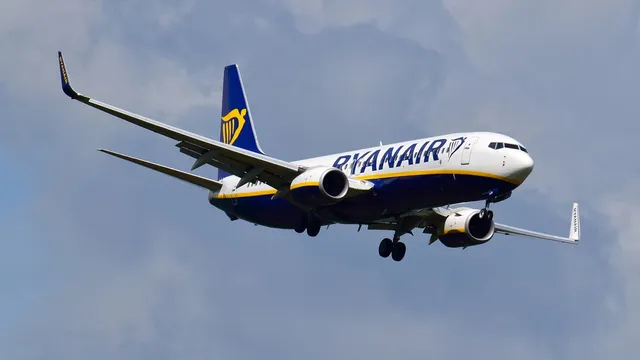
Ryanair announces cancelations of flights amid soaring taxes in France
Ryanair announces cancelations of flights amid soaring taxes in France
- Ryanair will stop flights from several French airports due to a 180% increase in aviation taxes.
- This move follows previous decisions to cut flight operations, including the cancellation of 24 routes.
- The airline suggests that France is becoming economically unviable for its operations due to rising costs.
Story
Ryanair, the budget airline famous for its affordable travel options, has announced significant reductions to its flight operations stemming from a sharp increase in taxes imposed by the French government. This decision comes as Ryanair's chief commercial officer, Jason McGuinness, cited the 180 percent tax hikes at particular French airports, notably Bergerac and Brive, as a primary reason for the airline's strategy shift. The airline had previously declared the cancellation of all flights from Bergerac, Brive, and Strasbourg in July, marking the beginning of a broader trend set to affect several other French airports and routes. The impact of these tax increases is widespread; starting in the summer of the following year, Ryanair plans to reduce its total capacity by slashing 1.2 million seats from its flight schedule and ending operations at Asturias airport. This has amplified the challenges for the airline, which operates on a tight margin and relies heavily on regional affordability to maintain competitive ticket pricing. McGuinness expressed that, despite Ryanair's strong market performance, the financial realities of increased taxes meant certain airports in France would no longer be viable for their operations. In contrast, Ryanair has identified opportunities in Italy, where specific regions have abolished their versions of aviation tax, allowing for greater operational viability and enabling the airline to allocate resources more strategically. Ryanair's adjustments signal a broader trend in the airline industry where taxes, fees, airport costs, and rising operational expenses are influencing route availability and pricing structures. The CEO of Jet2 has also weighed in on the topic, calling for the UK Chancellor to keep air passenger duty stable, amid similar concerns around rising costs affecting competitor airlines. This development highlights ongoing tensions between governments looking to increase revenue through tax measures and the subsequent impact these measures have on the aviation sector. As Ryanair withdraws services from French airports, it may spur further debate around how such tax hikes disproportionately affect low-cost carriers, potentially leading to reduced travel options for consumers and ultimately altering the dynamic of air travel in Europe.
Context
The impact of aviation tax increases in Europe is a critical issue that has garnered significant attention from policymakers, economists, and industry stakeholders. As governments seek to balance fiscal responsibilities with environmental concerns, the aviation sector has become a focal point for potential revenue generation through increased taxation. While the objective of such taxes is often to reduce carbon emissions and promote sustainability, the economic implications extend far beyond environmental considerations. The introduction of higher taxes can potentially lead to increased ticket prices, reduced passenger demand, and a consequential impact on the overall economy, particularly in sectors reliant on travel, such as tourism and hospitality. Moreover, the aviation industry already operates on thin margins, and escalating taxes could exacerbate existing financial pressures. Airlines may respond to these tax increases by implementing cost-cutting measures, which could include reducing routes, limiting capacity, or even layoffs. This ripple effect may adversely affect job security within the sector and the diverse range of industries connected to air travel. As a result, regions heavily reliant on tourism could experience a decline in visitors, further straining local economies that benefit from the influx of international travelers and related economic activities. In considering the environmental aspect, while the intention behind aviation tax increases is to reduce the carbon footprint of air travel, the effectiveness of such measures can be contentious. For instance, if taxes lead to a reduction in air travel, there is a concern that this could hinder economic growth and investment in cleaner technologies within the aviation sector. The long-term goal of achieving a more sustainable aviation industry may require a combination of regulatory measures, technological innovations, and enhanced efficiency efforts rather than relying solely on punitive tax increases. The challenge lies in finding a balance that maintains economic vitality while promoting environmental responsibility. As European countries navigate the complexities of tax policy in the aviation sector, it is essential for stakeholders to engage in a comprehensive dialogue that includes travelers, airlines, environmental groups, and government representatives. A collaborative approach can lead to more effective solutions, where the economic ramifications of taxation are weighed against environmental benefits. Ultimately, the goal should be to foster a sustainable aviation industry that contributes positively to the economy while mitigating its impact on climate change.


