

Gen Z drives up the price of Guinness in British pubs
Gen Z drives up the price of Guinness in British pubs
- Guinness has gained immense cultural popularity among Gen Z, becoming a trendy choice in British pubs.
- However, its high cost makes it challenging for young drinkers to justify its purchase.
- The sustainability of Guinness's popularity is questionable as rising prices may alienate its primary customer base.
Story
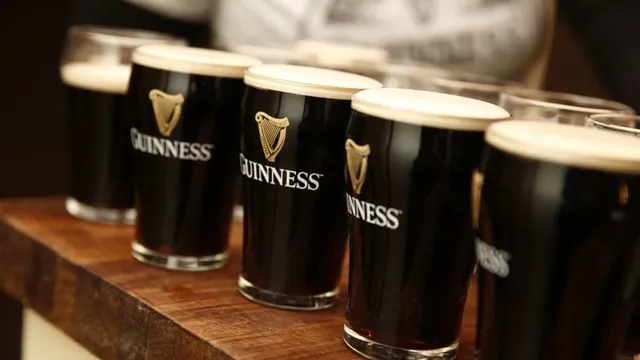
In recent years, the beloved Irish stout, Guinness, has seen a drastic shift in its cultural standing among younger drinkers, particularly those from Generation Z. Known for their social media influence and changing drinking habits, Gen Z has propelled Guinness to the forefront of British drinking culture, making it a symbol of youth and trendiness. This shift has manifested through various platforms, including TikTok and Instagram, where the drink's aesthetic appeal and rich history have been showcased. The pint, once regarded as an older generation’s choice, has transformed into one of the most fashionable drinks among young adults today. Despite its rising cultural clout, Guinness's economic viability has come into question. With an 88-pint keg costing between £150 and £155, it stands as one of the most expensive beers for pubs to stock, compared to Murphy's, which costs about 20% less. This substantial price difference often leaves operators in a tough position, as they struggle to find a balance between offering a popular product and maintaining profitability. Many pub operators find themselves in a negotiating predicament, unable to shift customer perception that ties higher prices solely to the Guinness brand. The increasing demand among young drinkers has paradoxically led to rising prices that are causing some to reconsider their drinking choices, due to overall inflation and a generalized reluctance to spend. Statistically, Gen Z has been noted to drink less alcohol overall, a trend that contradicts their cultural investment in drinks like Guinness. This reduction in consumption raises questions about the long-term sustainability of Guinness's success among this demographic as they grapple with the costs. The overall scenario illustrates the fragility of economic structures in British pubs, which are continually adapting to generational shifts and economic pressures. With Diageo, the parent company of Guinness, facing declining shares and navigating through a turbulent market, it underscores the critical point that the strength of a brand cannot solely rest on its cultural influence when financial sustainability is at play. The ultimate question looms: can pubs maintain serving a pint that represents a cultural phenomenon while also balancing economic pressures?
Context
The impact of Generation Z on drinking culture in Britain has been significant and multifaceted, reflecting broader societal changes and shifting attitudes toward alcohol consumption. This generation, typically defined as those born between 1997 and 2012, has grown up in an environment where health consciousness, mental wellness, and social responsibility are prioritized. These values are evident in their approach to drinking, which is often more cautious and controlled compared to previous generations. Fewer members of Gen Z identify as regular drinkers, with many choosing to abstain entirely or limit their consumption to special occasions. This shift in behavior signals a move away from binge drinking, historically prevalent among younger demographics, towards a more moderate and thoughtful engagement with alcohol. Social media plays a crucial role in shaping Gen Z's drinking culture. Platforms like Instagram and TikTok, where visual storytelling is dominant, encourage an aesthetic that values experiences over excessive consumption. Young people often share their adventures involving alcohol in ways that highlight mindfulness and moderation rather than indulgence. This trend is reinforced by the rise of non-alcoholic and low-alcohol beverages, which appeal to a generation keen on maintaining an image of health and well-being. Consequently, the market has seen a notable increase in the availability and variety of these drinks, catering to the demands of the health-conscious consumer. Furthermore, Gen Z's drinking culture is also influenced by their views on mental health and well-being. With an increasing awareness of the effects of alcohol on mental health, many individuals within this demographic are choosing to prioritize their mental wellness over traditional drinking norms. The impact of the COVID-19 pandemic has further accelerated this trend, as experiences of lockdown and social distancing fostered a reflective attitude toward alcohol use. The marketing strategies employed by alcohol brands are adapting to these changes, with a focus on promoting positive social experiences rather than drinking to excess. In conclusion, the drinking culture of Generation Z in Britain represents a fundamental shift in attitudes towards alcohol, driven by health awareness, the influence of social media, and a growing focus on mental health. This generation's approach, marked by moderation and a preference for mindful consumption, challenges the historical norms of alcohol use and suggests a new direction for future drinking practices. As the influence of Gen Z continues to permeate British culture, the repercussions for the alcohol industry will be profound, requiring brands to evolve in order to align with the values and preferences of this emerging consumer base.


