

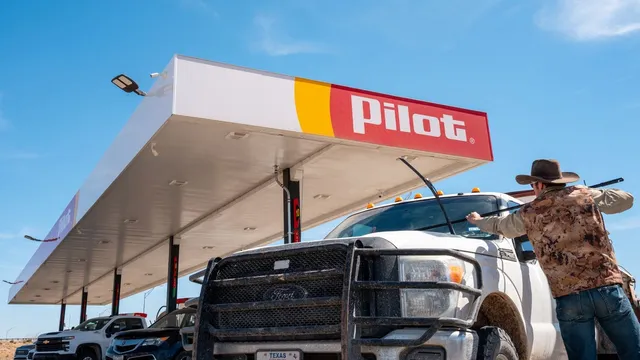
Gas prices soar as Iran war impacts Americans nationally
Gas prices soar as Iran war impacts Americans nationally
- Gas prices in the U.S. have surged by 92 cents in a month due to the Iran war.
- Residents and nonprofits alike are feeling the financial strain of increased fuel costs.
- The rising prices are leading to broader economic dissatisfaction among Americans.
Story
In the United States, the ongoing war in Iran has significantly impacted the cost of living, particularly at the gas pump. Gas prices have surged by 92 cents over a single month, with Oklahoma City witnessing prices climbing from $2.23 to $3.25, marking a notable increase of $1.02 within that timeframe. The war has also led to closures in the Strait of Hormuz, a crucial passage responsible for approximately 20 percent of the world's oil supplies, exacerbating the rise in oil prices. The consequences of these developments are being felt across the country, from frustrated residents in Oklahoma over rising gas costs to increased operational expenses for local nonprofits like ElderServe in Louisville, Kentucky. ElderServe, which provides essential services such as meals and medical transport to seniors, has reported challenges aligning its budget with the rising fuel costs. CEO Timothy Findley noted that heightened gas prices put pressure on their already limited budget, potentially leading to cutbacks or changes in their services to manage operational costs. This financial strain reflects an unsettling broader picture of transportation costs dramatically affecting essential services for vulnerable populations. Many Americans are now paying significantly more for gas, thereby limiting their mobility and affecting everyday life. Beyond fuel prices, the crisis has alarmingly begun to influence food prices as well. Farmers are facing a substantial increase in fertilizer costs, estimated to be about 40 percent higher year-on-year, which could lead to higher grocery prices in the coming months. This situation underscores the connected nature of global events to local economic challenges and emphasizes how far-reaching the impacts of international conflicts can be. The rising cost of living continues intensifying Americans' dissatisfaction with economic conditions. Polls indicate that a significant majority of Americans disapprove of the current administration's handling of economic issues, especially regarding affordability. With cost of living emerging as the most pressing issue for voters ahead of the upcoming midterm elections, such sentiments could have serious implications for the political landscape as Americans grapple with these growing economic pressures.
Context
The ongoing conflict in Iran has far-reaching implications for global oil supply, significantly affecting both supply levels and pricing structures. As one of the largest producers of crude oil, Iran's capacity to export oil is critically diminished during wartime, impacting the availability of oil in international markets. Given that the country holds substantial reserves, disruptions in Iranian production can create pronounced ripples in global oil supply chains, especially in regions heavily reliant on Iranian crude. Consequently, this situation has implications not only for energy security in consuming nations but also for global economic stability, as fluctuations in oil prices can influence inflation rates and economic growth worldwide. The geopolitical landscape surrounding Iran and its oil production plays a vital role in shaping reactions from other oil-producing nations. As Iranian oil is reduced, member countries of the Organization of the Petroleum Exporting Countries (OPEC) may attempt to fill the gap, thereby impacting their own production strategies. Such a shift could lead to adjustments in quotas or even collaboration with non-OPEC oil producers to stabilize the market. However, the willingness and ability of these nations to offset losses from Iran can be contingent upon their own production capacity, internal policies, and geopolitical pressures, further complicating the global oil supply scenario. Moreover, as global economies pivot in response to the Iranian conflict, alternative sources of oil are assessed to mitigate vulnerability. Countries like Saudi Arabia and the United States may increase production to compensate for the shortfall, yet there are time delays associated with ramping up production levels. In addition, energy markets have begun to diversify sources, with an increased interest in renewable energy alternatives, but these cannot fill the immediate void created by the loss of Iranian oil supply. In conclusion, the impact of the Iran war on global oil supply extends beyond simple supply and demand dynamics, drawing in intricate geopolitical interactions and the mechanisms of market response. Long-term effects may include sustained volatility in oil prices and potential shifts in energy policy as nations strive for greater energy independence. Understanding this context is vital for stakeholders involved in oil markets as they navigate the complexities of supply disruptions and invest in strategies that may shape future energy landscapes.


