

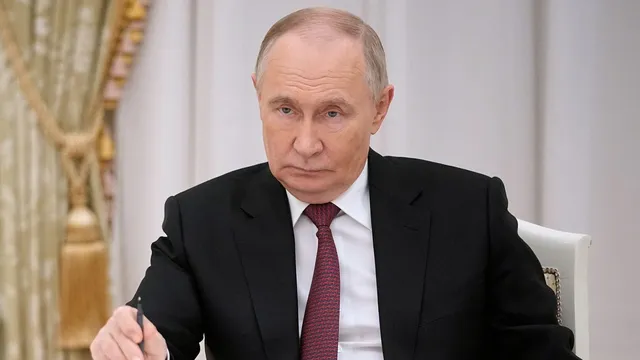
Putin anticipates prolonged conflict amid faltering peace talks
Putin anticipates prolonged conflict amid faltering peace talks
- Ukraine is enduring continuous military pressure as conflicts escalate, with casualties exceeding a thousand daily.
- Russia maintains a significant troop presence along its extended frontline, indicating a prolonged military commitment.
- Political leaders are urged to prepare their nations for potential escalation of conflict, reflecting on the necessity of better defense readiness.
Story
The ongoing conflict in Ukraine, intensified by Russia's military actions, has shown little sign of de-escalation despite discussions of peace talks. As of recent reports, over a thousand troops have been killed or wounded daily, with Ukrainian forces facing increased pressure on the frontline. The situation is exacerbated by the Ryan Washington's strategic assessment regarding NATO commitments, referencing the possibility of the US only intervening in defense of Europe when it aligns with American interests. This raises concerns about the reliability of NATO's Article 5, which ensures collective defense among member states. Recent military deployments have seen over 710,000 Russian troops positioned along a 780-mile frontline. The heavy allocation of resources towards military mobilization reflects a significant commitment by Russia, with leaders in Moscow making no signs of readying to wind down their military operations. This entrenched military stance suggests that Putin is preparing for prolonged engagement rather than seeking a swift resolution to the conflict, which further complicates the dynamics between Ukraine and its allies. Amid these developments, the need for Europe’s NATO allies, particularly the UK, France, and Germany, to bolster their military readiness has become crucial. This requires not only financial investment in defense but also a shift in public and military readiness to address potential Russian provocations. Discussions led by political figures such as Sir Keir Starmer in the UK have not yet provided a comprehensive plan to engage the public in understanding the gravity of the situation, which is essential for fostering national readiness. Knowledge and awareness about the military commitments are vital for maintaining solidarity and preparedness in the face of external threats. Ultimately, the outcome of this conflict and the strategic decisions made by leaders will shape the geopolitical landscape, not just in Ukraine but also across Europe. The risks associated with an inflexible approach to military posturing could lead to an escalation of violence and war extending beyond Ukrainian borders. It is imperative for European nations to prepare for various potential scenarios, including a complete reassessment of their military support frameworks and strategies to counter Russian aggression in the region.


