

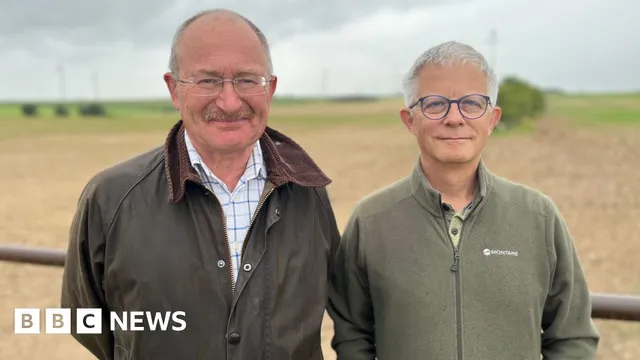
Sevenoaks council risks £400k in legal costs after rejecting solar farm
Sevenoaks council risks £400k in legal costs after rejecting solar farm
- The Sevenoaks District Council rejected a solar farm proposal that would have powered 17,200 homes.
- The rejection was based on concerns about the local landscape and heritage assets.
- The council may face £400,000 in legal costs if the appeal by Evolution Power is successful.
Story
In the United Kingdom, plans for a large solar farm at New Ash Green were rejected by the Sevenoaks District Council. The proposal, which aimed to install 72,000 solar panels on 235 acres of green belt land, was initially submitted in December 2024. Despite recommendations from council officers to approve the project, the development management committee voted against it, citing concerns over the impact on the local landscape and heritage assets, including listed buildings. This decision has sparked significant public interest, with over 1,300 comments submitted, the majority opposing the development. The applicant, Evolution Power, has indicated that it will likely appeal the council's decision, potentially leading to a government-appointed planning inspector's inquiry. The company has warned that if the appeal is successful, the council could face legal costs estimated at £400,000. This situation raises questions about the council's decision-making process, as officers have cautioned that rejecting the proposal without valid reasons could be deemed "unreasonable behavior" by an inspector, further complicating the council's position. The council's rejection of the solar farm proposal reflects a broader tension between renewable energy development and local community concerns about environmental and heritage impacts. The project was designed to power approximately 17,200 homes, highlighting the potential benefits of renewable energy sources in addressing climate change and energy needs. However, the local community's apprehensions about the visual and environmental implications of such a large-scale project have led to significant opposition. As the appeal process unfolds, the council will need to carefully consider its stance and the reasons behind its decision. The outcome of this situation could set a precedent for future renewable energy projects in the area, influencing how local authorities balance development needs with community concerns. The potential financial implications of the appeal also underscore the importance of thorough and justified decision-making in planning processes, particularly in the context of increasing pressure to transition to sustainable energy solutions.
Context
The impact of solar farms on local heritage is a multifaceted issue that requires careful consideration of both environmental benefits and cultural preservation. Solar farms are increasingly being recognized as a vital component of the transition to renewable energy, contributing to the reduction of carbon emissions and the promotion of sustainable practices. However, the installation of these facilities can lead to significant changes in the landscape, which may affect historical sites, traditional land use, and the overall character of local communities. It is essential to assess these impacts comprehensively to ensure that the deployment of solar energy does not come at the expense of cultural heritage. One of the primary concerns regarding solar farms is their potential to disrupt the visual and physical integrity of heritage sites. Many regions with rich historical significance may find that the introduction of large-scale solar installations alters the aesthetic value of the landscape. This can lead to conflicts between energy development and the preservation of sites that hold cultural, historical, or archaeological importance. Engaging with local communities and heritage organizations during the planning stages of solar projects is crucial to identify and mitigate these impacts effectively. By incorporating local knowledge and values, developers can create solutions that respect heritage while advancing renewable energy goals. Moreover, the economic implications of solar farms on local heritage cannot be overlooked. While solar energy projects can provide job opportunities and stimulate local economies, they may also lead to a decline in tourism if heritage sites are compromised. Communities that rely on heritage tourism for their economic stability must weigh the benefits of renewable energy against the potential loss of visitors drawn to their historical landmarks. It is vital for stakeholders to explore ways to harmonize solar energy development with heritage conservation, ensuring that both can coexist and thrive. In conclusion, the impact of solar farms on local heritage is a complex interplay of environmental, cultural, and economic factors. As the demand for renewable energy continues to grow, it is imperative that developers, policymakers, and local communities work collaboratively to address these challenges. By prioritizing heritage preservation alongside the expansion of solar energy, we can create a sustainable future that honors our past while embracing innovation. This balanced approach will not only protect local heritage but also foster community support for renewable energy initiatives.


