

House votes to repeal Senate's controversial phone record provision
House votes to repeal Senate's controversial phone record provision
- House Republicans voted to repeal a Senate measure regarding phone record seizures by the government.
- The repeal allows the Senate to consider it alongside a crucial funding bill to avoid a government shutdown.
- This action reflects significant bipartisan discontent with the Senate provision and the need for government accountability.
Story
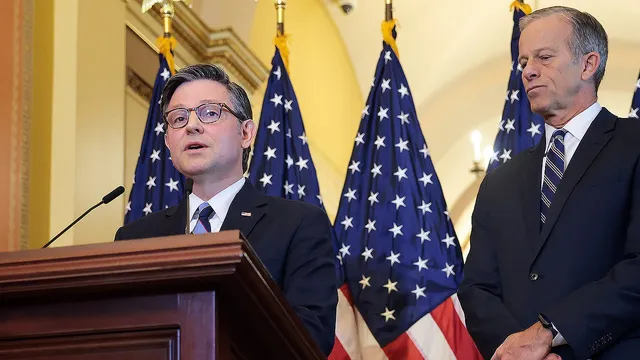
In an effort to avert a partial government shutdown in the United States, House Republicans moved to repeal a Senate measure that allowed lawmakers to sue the federal government if their phone records were seized. This legislative maneuver occurred on January 21, 2026, during the discussion of a $1.2 trillion spending bill. The Senate provision was initially integrated into last year’s spending deal after a bipartisan negotiation led by Senate Majority Leader John Thune and included a clause called 'Requiring Senate Notification for Senate Data'. This provision came about after ex-special counsel Jack Smith's investigation, which some senators believed had violated their privacy rights by not notifying them of the data seizure. Lawmakers in both chambers, however, have expressed significant disapproval of this provision, with prominent politicians, including John Thune and Senate Minority Leader Chuck Schumer, arguing for its repeal. The House's unanimous vote to roll back this provision indicates a substantial bipartisan effort to ensure government accountability. Such actions highlight the ongoing tensions between the legislative chambers and the challenges they face in collaborative governance, especially as deadlines loom for funding issues. Should the House's decision go through, it places pressure on the Senate to either consider this repeal or amend the entire funding bill, exacerbating time constraints as the January 30 government shutdown deadline approaches. The situation remains fluid as debates continue over the implications for congressional privacy rights and government oversight, with both parties likely to encounter more contention on these issues in the near future.


