

Iran unleashes 1,000 missiles in escalating Middle East conflict
Iran unleashes 1,000 missiles in escalating Middle East conflict
- Iran has executed a large-scale missile campaign in the Middle East, launching over 1,000 missiles recently.
- The conflict has exposed vulnerabilities in missile defenses of Gulf states against Iranian drone attacks.
- The developments in the Middle East could shift global oil markets towards the Gulf of Guinea as a strategic alternative.
Story
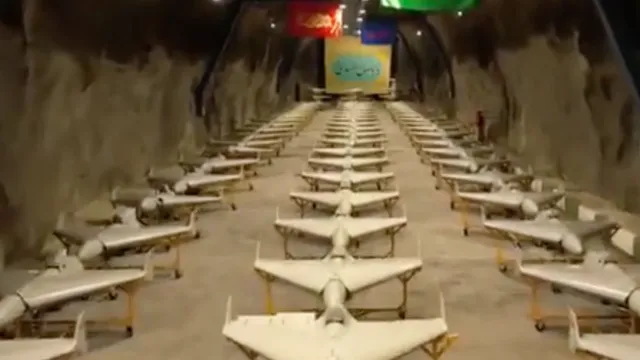
In the ongoing conflict in the Middle East, Iran has executed a large-scale missile campaign, launching over 1,000 missiles since the latest escalation began. This strategic action is part of Iran's broader military objectives, particularly aimed at overwhelming US military bases in the Gulf region and potentially disrupting maritime security in the Strait of Hormuz. The drone warfare tactics and advanced missile technology applied by Iran reflect lessons learned from the ongoing war in Ukraine, highlighting the effectiveness of drones and the significant role they play in modern warfare. The usage of drone swarms and artificial intelligence (AI) has proved transformative for both military strategies and tactics. As tensions escalate between Iran and the Israeli-US coalition, the dynamics in the region are shifting. The Gulf states, despite having robust missile defenses, have struggled to effectively neutralize Iranian attacks. The advancements in drone technology, particularly the Iranian Shahed 136 drones, which have been deployed in substantial numbers, have proven difficult to counter effectively. These missiles and drones have contributed to higher casualty rates on the battlefield, with a significant percentage of damage attributed to unmanned systems. It raises concerns over potential future assaults, including the possibility of attacks on Western targets. The situation is not only a concern for the intersecting nations but has far-reaching implications for global energy security as well. The ongoing conflict threatens to affect supply chains and energy markets, particularly if Iran moves to close the strategic Strait of Hormuz. This closure could lead to a major shift in global oil flows, causing Europe, India, and Japan to seek alternative oil supplies from regions such as the Gulf of Guinea. Countries like Nigeria are in a position to gain strategic importance as alternative sources of oil amidst the chaos in the Middle East. However, the region faces challenges, including piracy and instability that could prevent it from becoming a reliable energy supplier. In the face of these developments, it is imperative for players in the Gulf of Guinea, including Nigeria and its neighboring countries, to stabilize their energy sectors and secure maritime routes. The expansion of military presence and alliances in the region are vital for maintaining energy supply security. With the potential for increased external influence from major global powers like the United States and China, regional cooperation through organizations such as the Economic Community of West African States (ECOWAS) will be crucial for transforming the Gulf of Guinea into a central player in global energy politics. The precarious situation in the Middle East could ultimately push the Gulf of Guinea to the forefront of energy discussions, amplifying its significance on the global stage.


