

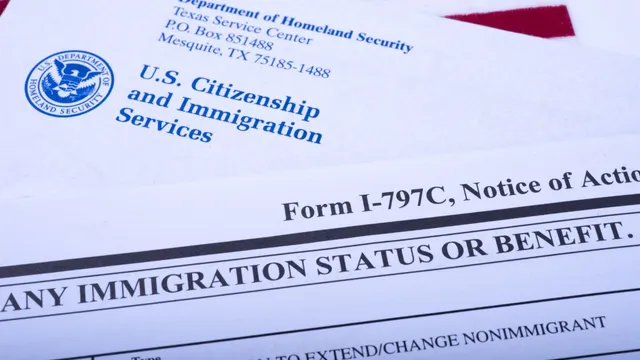
Trump orders review of green cards amid national security concerns
Trump orders review of green cards amid national security concerns
- Following a shooting incident in Washington, D.C., involving two National Guard members, President Donald Trump ordered a review of green cards.
- The suspect in the attack, Rahmanullah Lakanwal, is an Afghan national who entered the U.S. under humanitarian policies.
- This review aims to address national security concerns linked to immigration from high-risk countries.
Story
The United States is facing increased scrutiny regarding the immigration policies post the recent shooting incident near the White House that critically injured two National Guard members. On November 26, 2025, two members of the West Virginia National Guard were shot while on patrol in Washington, D.C. The assailant, Rahmanullah Lakanwal, an Afghan national who had previously assisted U.S. forces and was resettled under humanitarian parole, has been charged with assault. This event prompted President Donald Trump to call for a comprehensive review of green card holders from countries deemed as security risks by the administration. Rahmanullah Lakanwal entered the United States in 2021 and received asylum this year under the Biden administration; however, his pending green card application has now raised serious security concerns. The Department of Homeland Security, led by USCIS Director Joseph Edlow, announced a rigorous examination of green cards issued to immigrants from countries highlighted in a past presidential memorandum, which lists Afghanistan among them. This decision reflects growing fears about national safety following the attack, which has been classified as an act of terror. The announcement came swiftly after the shooting, which officials are reviewing as part of broader security and vetting protocols surrounding Afghan resettlement programs. The Biden administration's handling of refugee admissions and resettlement strategies has come under fire, as the policies resulted in a significant influx of Afghan nationals during a chaotic withdrawal from Afghanistan. Critics argue that this highlights potential flaws in the vetting processes of individuals who posed as allies but later became a security concern. As the U.S. grapples with the political fallout from the incident, the implications for immigration policy are profound. The current administration has indicated a halt to all immigration requests related to Afghan nationals while a comprehensive review is conducted. Law enforcement and immigration agencies are now under pressure to reassess the criteria and protocols used in granting asylum and green card status to ensure similar incidents do not occur in the future.
Context
The history of US immigration is deeply intertwined with the nation’s security concerns, reflecting the delicate balance between the welcoming of diverse peoples and the safeguarding of national integrity. Throughout its history, America's immigration policies have often been influenced by broader sociopolitical landscapes, particularly during times of international conflict or perceived threats. During the 20th century, significant events such as World War I and World War II led to stringent immigration restrictions fueled by fears of subversive elements infiltrating the country. The Red Scare of the 1920s, for instance, caused a heightened paranoia against suspected radicals, which resulted in the Immigration Act of 1924 that severely limited immigration from specific nations deemed undesirable based on race and ideology. This act laid the groundwork for future security-oriented immigration policies that prioritized the idea of a carefully curated national population. As the Cold War emerged, so did the necessity of scrutinizing incoming immigrants more closely. The national security perspective was amplified by the fear of communism and espionage. Legislative measures such as the McCarran-Walter Act of 1952 established a framework for the exclusion of individuals with perceived ties to communism, which represented a pivot towards a more security-based immigration agenda. This period was characterized by an understanding that those who entered the country could influence both domestic stability and international relations. Additionally, the events of 9/11 marked a turning point in how immigration and national security were fundamentally linked, framing an ongoing narrative that continues to shape immigration policy debates. Post-9/11, the United States implemented the most comprehensive changes to its immigration system in its history, developing new protocols and agencies like the Department of Homeland Security. This transformation underscored the notion of ‘security’ now overlapping with all facets of immigration, as new measures were instituted for screening and vetting potential immigrants and refugees. The implementation of the USA PATRIOT Act introduced tighter control mechanisms over immigration processes, aimed at preventing terrorists from entering the United States. These measures often correlated with a more stringent approach to asylum seekers and refugees, with national security considerations frequently complicating humanitarian imperatives in the face of crises worldwide. Despite these security measures, debates around immigration policy persist, particularly regarding their implications for individual rights and the integrity of historical ideals of refuge. Critics have pointed out that security-oriented immigration frameworks can lead to xenophobia and racial profiling, a concern echoed during multiple administrations. As we move into the future, the challenge will thus be to navigate the complex landscape of immigration reform that ensures national security while upholding the principles of openness and diversity that have historically defined the United States. Balancing these interests remains a vital part of the ongoing dialogue surrounding US immigration policy, fundamentally linked to both the historical narrative and future direction of national security.


