

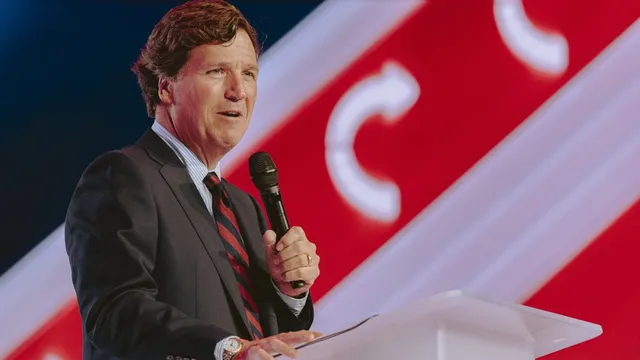
Gorka denies labeling Carlson and Fuentes as domestic terrorists
Gorka denies labeling Carlson and Fuentes as domestic terrorists
- Sebastian Gorka's recent interview did not label Tucker Carlson and Nick Fuentes as potential domestic terrorists.
- Experts argue that the new counterterrorism strategy inadequately addresses the risks posed by far-right extremism.
- The approach raises concerns about political bias and misprioritization of threats within the Trump administration.
Story
In the United States, a significant controversy has emerged regarding the Trump administration's new counterterrorism strategy announced in May 2026, which primarily targets left-wing extremism while neglecting far-right violence. Conservative commentator Alex Jones claimed that Sebastian Gorka, a counterterrorism official in President Donald Trump's administration, identified far-right media figures Tucker Carlson and Nick Fuentes as possible domestic terrorists during an interview. However, upon reviewing the interview, it was found that Gorka did not use such terminology. Instead, he focused on the administration's view that right-wing extremism does not pose the same level of threat as leftist violence, stating that there have not been comparable trends in violence from the right. Gorka's comments have sparked a backlash from experts who argue that the omission of far-right threats is concerning given the rising violence associated with such groups in the U.S. Over the past decade, far-right extremism has been recognized as a serious threat by the FBI, yet Gorka's strategy seems to prioritize the perceived dangers posed by left-leaning groups. This shift in focus has come at a time when the Republican party itself is facing fractures, as evidenced by Carlson's break from Trump on various issues, including foreign policy. As this situation evolves, many analysts and commentators are questioning the implications of the current administration's counterterrorism approach and its potential political motivations, suggesting it may prioritize loyalty to Trump over addressing pressing security threats. Critics have expressed concerns that such a strategy may encourage divisiveness and political polarization as it categorizes certain individuals and groups as enemies based on ideological alignments rather than actual violent behavior.


