
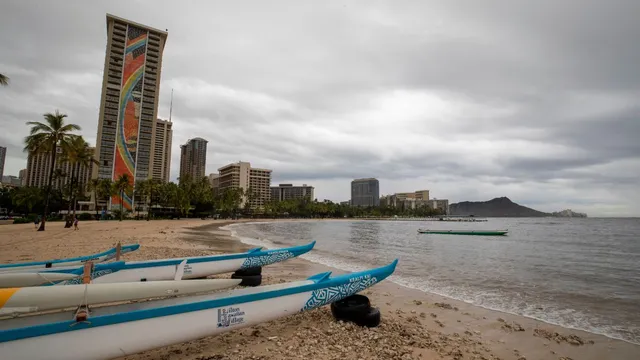
Hawaii experiences severe weather conditions as governor declares emergency
- A severe storm system affected Hawaii with heavy rain, snow, and high winds.
- Hawaii Governor Josh Green announced the closure of schools and public offices due to the dangerous conditions.
- Residents are urged to stay safe while efforts continue to restore power and clear hazards.
Story
In February 2026, Hawaii was hit by a severe storm system that caused widespread disruptions across the islands. The storm, which began over the weekend, brought heavy rainfall, high winds, and significant snowfall, particularly affecting the Big Island's volcanic summits of Mauna Kea and Mauna Loa. The National Weather Service (NWS) issued warnings for snowfall accumulations of up to 16 inches, strong winds reaching 45 mph, and severe weather conditions that made travel hazardous. Numerous regions across Hawaii experienced power outages, downed trees, and landslides, leading to blocked roads. Leveraging the situation, Hawaii Governor Josh Green declared an emergency in anticipation of particularly dangerous weather conditions. All public schools and state offices in Hawaii were closed on February 9 due to the severe weather, with officials urging residents to stay indoors and secure their properties. The closure included all University of Hawaii campuses and many private schools, signaling the seriousness of the storm and the accompanying risks. The NWS forecasts indicated that the storm was part of a larger weather pattern affecting not only Hawaii but other regions in the United States, including New York, Alaska, and California, which were also bracing for wintry conditions. As the storm progressed, reports confirmed vast amounts of rainfall across different islands, with some areas accumulating more than 10 inches within a short timeframe. The heavy rainfall contributed to flash flooding, particularly in low-lying areas, and caused a landslide that blocked a highway in Maui. In addition to landslides and fallen power lines, thousands of residents experienced power outages, with Hawaiian Electric Co. reporting widespread outages affecting more than 12,000 customers across Oahu and Maui. Restoration efforts were underway, but hazardous conditions hampered the progress. Despite the harsh weather, safety was prioritized by state officials. Governor Green emphasized the importance of preparedness and public safety, asking residents to stay informed through official channels and heed warnings about hazardous travel conditions. The relentless precipitation and strong winds were anticipated to subside by February 10, allowing normal weather patterns to return in the days following the storm. Nevertheless, the state remained vigilant, recognizing the delicate balance between drought conditions and flash flooding risks posed by such extreme weather events. The situation served as a reminder of the vulnerabilities faced by Hawaii, particularly in relation to its unique geography and climate factors associated with winter storms.
Context
The impact of weather on Hawaii travel is a significant consideration for both tourists and the tourism industry. Given Hawaii's unique geographical location, its weather patterns can vary dramatically between the different islands and even within regions of an island. This variability creates distinct travel experiences and influences visitor decisions throughout the year. For instance, while Hawaii typically enjoys a mild climate with temperatures averaging between 70°F to 85°F, the rainy season from November to March can deter some travelers who prefer to avoid wet conditions. Understanding seasonal changes helps tourists plan better, making them more likely to visit when the weather is most favorable for their activities. Moreover, precipitation patterns in Hawaii are highly affected by microclimates, which can result in unexpected weather changes. Tourists often seek out information regarding rainfall statistics and forecasts before embarking on their trips. The presence of trade winds also contributes to Hawaii's weather, as they create cooler temperatures and lower humidity during certain months. However, unexpected weather events, including tropical storms or hurricanes, pose potential risks and disruptions during the travel season. Such occurrences can lead to flight cancellations and emergency evacuations, making it crucial for both tourists and industry professionals to stay informed about weather conditions. Additionally, weather conditions can affect the types of recreational activities available to tourists. Outdoor adventures, such as hiking, beach activities, and water sports, are heavily dependent on stable weather. For example, strong winds and high surf conditions can lead to the closure of beaches, significantly impacting tourist itineraries. Conversely, clear skies and calm seas can lead to increased visitor numbers, as travelers seek outdoor experiences that Hawaii is renowned for. Therefore, the local tourism industry often relies on accurate weather forecasting to manage bookings, adjust staffing, and enhance visitor satisfaction. In conclusion, weather plays a profound role in influencing travel decisions, experiences, and overall tourism dynamics in Hawaii. For visitors, being mindful of climate variations and potential weather-related disruptions can enhance their travel planning and experience. The tourism industry must remain agile and responsive to weather forecasts, utilizing technology and real-time data to inform visitors and adjust services accordingly. As global climate patterns continue to evolve, understanding these weather impacts will be essential for sustaining Hawaii’s vibrant travel sector.
