

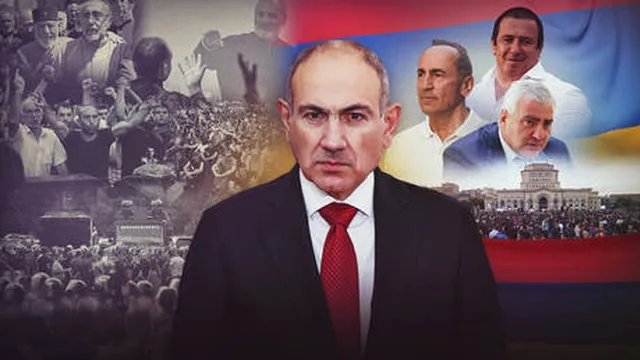
EU pledges €50 million to support Armenia's election
EU pledges €50 million to support Armenia's election
- The EU is preparing a €50 million support package for Armenia to assist Prime Minister Nikol Pashinyan ahead of parliamentary elections.
- This financial aid is intended to mitigate the impact of recent Russian trade restrictions on Armenian agricultural products.
- The upcoming elections will be a critical moment for Pashinyan's leadership and Armenia's foreign policy direction.
Story
Armenia, a small land-locked nation with significant ties to Russia, is preparing for parliamentary elections on June 7, 2026. In the lead-up to this critical vote, the European Union announced a €50 million support package aimed at bolstering Prime Minister Nikol Pashinyan's government. This financial aid represents approximately 1% of Armenia's annual trade turnover with Russia, which remains the country's primary economic partner. The EU's initiative is also intended to alleviate the impact of recent Russian trade restrictions on Armenian agricultural products, which have been a source of tension between Yerevan and Moscow. European Commission President Ursula von der Leyen made the announcement following a conversation with Pashinyan, emphasizing the EU's commitment to supporting Armenia's integration with Europe while maintaining its historical ties with Russia. The support package includes provisions for the shipment of Armenian flowers to Latvia, signaling a move to enhance trade relations with EU member states. However, the EU's financial assistance is dwarfed by Armenia's reliance on trade with Russia, which amounted to approximately $6-8 billion in 2025. Pashinyan's Civil Contract party is currently polling at around 32%, while the opposition Strong Armenia bloc, backed by Russian-Armenian billionaire Samvel Karapetyan, is trailing at about 6%. The political landscape in Armenia is complex, with Pashinyan advocating for closer ties with the EU while simultaneously trying to maintain strong relations with Russia. This dual approach has led to criticism from various factions within Armenia, particularly in light of recent geopolitical tensions and the loss of a conflict with Azerbaijan. As the elections approach, the Armenian government faces significant challenges, including public discontent stemming from economic hardships and political crises. Pashinyan's administration has been accused of failing to adequately address these issues, leading to mass protests and calls for his resignation. The upcoming elections will be a crucial test for Pashinyan's leadership and the future direction of Armenia's foreign policy, particularly regarding its relationship with both the EU and Russia.


