

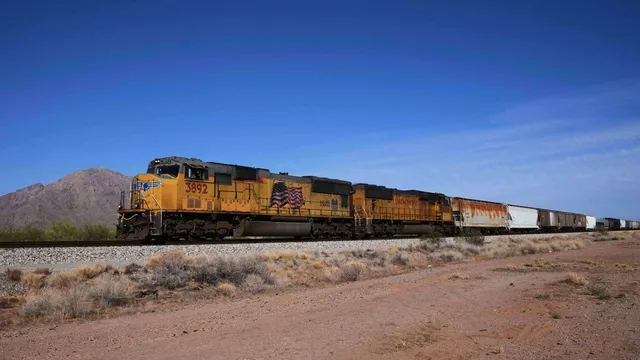
Shareholders overwhelmingly back historic $85 billion rail merger
Shareholders overwhelmingly back historic $85 billion rail merger
- Roughly 99% of shareholders voted in favor of the proposed merger.
- The U.S. Surface Transportation Board must approve the merger before it proceeds.
- The merger aims to improve delivery efficiencies across the U.S. rail network.
Story
In a significant move for the railroad industry, shareholders of Union Pacific and Norfolk Southern recently demonstrated overwhelming support for an $85 billion merger aimed at creating the first coast-to-coast rail network in the United States. This vote, which occurred on a Friday, showcased an impressive 99% backing from shareholders of both railroads. However, the proposed merger still requires approval from the U.S. Surface Transportation Board (STB), which is known for its stringent review process of mergers in the railroad sector. Union Pacific's CEO, Jim Vena, is anticipating filing the formal merger application either in late November or early December, initiating the lengthy scrutiny process required by the STB. Since the announcement of the merger earlier this summer, the plan has garnered significant support from various stakeholders, including the largest rail union and hundreds of shippers who stand to benefit from the increased efficiency. Vena has stated that the merger will enhance delivery speeds for goods across the nation, thus supporting the companies dependent on those deliveries. Despite the strong support, there are concerns from chemical manufacturers and competing railroad BNSF about potential adverse effects on competition resulting from this merger. They worry that it could lead to increased rates for shipping, which would have wide-reaching implications for various sectors reliant on rail transport. A meeting between President Donald Trump and Vena illuminated the administration's seemingly favorable view of the merger, with Trump expressing that the deal sounds promising. The merger would connect Union Pacific's expansive West Coast network with Norfolk Southern's rail lines that traverse the East Coast, forming a combined network of over 50,000 miles in 43 states. This consolidation aims to optimize the transportation of raw materials and goods nationwide, minimizing delays typically experienced when shipments are transferred between different railroads. In the larger context of the rail industry, if this merger secures approval, it might influence other major players, such as CSX, which could face pressure to find a merger partner to enhance competitiveness. However, other major rail operators like BNSF, CPKC, and Canadian National argue for cooperative agreements as a more strategic option than outright mergers. Despite the fierce debate surrounding mergers and acquisition strategies in the rail sector, CPKC and Canadian National have firmly stated that they prioritize strategic partnerships over mergers due to the complexities and potential risks involved. Furthermore, the merger's implications also extend to regulatory concerns, as the STB has established a high threshold for approving railroad consolidations following past experiences of severe congestion and inefficiencies that emerged from previous mergers. As the STB prepares to review this significant merger, the actions taken by President Trump's administration raise questions about the potential influence of political dynamics on regulatory decisions in the transportation sector. The upcoming formal application will be crucial as it kicks off a lengthy process of scrutiny that aims to ensure the merger is in the best interest of the public and the industry alike.


