

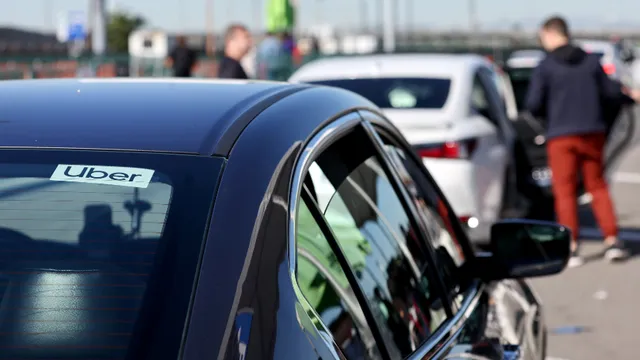
Uber tightens driver checks after hiring criminals
Uber tightens driver checks after hiring criminals
- Uber is implementing stricter background checks for drivers after serious flaws in their screening process were unveiled.
- The New York Times investigation revealed that over 400,000 complaints related to sexual assault or misconduct were reported from 2017 to 2022.
- This change aims to ensure a safer ride-sharing environment by permanently banning drivers with violent felony convictions and sexual offenses.
Story
In the aftermath of a New York Times investigation published in December, Uber has announced its intention to implement stricter measures for driver background checks. The report highlighted significant deficiencies in the company's screening protocols, allowing individuals with serious criminal records, including violent offenses, to be approved as drivers. Previously, Uber only barred those convicted of murder, sexual assault, kidnapping, and terrorism, while allowing drivers with other serious criminal histories from seven years ago to participate in the ride-share platform. From 2017 to 2022, there were over 400,000 complaints from riders in the U.S. related to sexual assault or misconduct, far exceeding the numbers disclosed in Uber's 2022 safety report. This figure indicates a troubling pattern within the company's operational safety environment. Critics have raised concerns over Uber's approach to ensuring the safety of its riders, especially given that the majority of these reports came from women, highlighting vulnerabilities within the platform. As public scrutiny intensified, the company recognized the need for a robust response to enhance its safety initiatives. Uber now aims to enact a permanent ban on individuals with convictions for violent felonies, sexual offenses, or abuse of vulnerable populations, regardless of when these crimes were committed. This marks a significant shift in policy from Uber’s past stance of allowing drivers with serious convictions as long as enough time had passed since their offenses. Details regarding the timeline and implementation of these new background check measures are still unclear, as Uber has not publicly clarified these changes. The alterations aim to not only improve user safety but also to align with community standards and expectations regarding public safety in the context of ride-sharing services. Meanwhile, Uber has reiterated its pledge to update its safety approaches continuously, indicating a response to both internal assessments and external pressures.
Context
The ride-sharing industry has experienced exponential growth over the past decade, significantly transforming urban mobility. However, the impact of criminal history on ride-sharing companies is a critical concern that directly affects driver eligibility and passenger safety perceptions. As ride-sharing platforms like Uber and Lyft expanded their services, they implemented diverse background check processes aimed at ensuring the safety of both passengers and drivers. These checks scrutinize applicants' criminal records, which often include felonies, misdemeanors, and driving offenses. The underlying rationale for these stringent measures is to filter out individuals with a history of violent crimes, sexual offenses, and other high-risk behaviors that could jeopardize passenger safety. Consequently, individuals with such backgrounds may find it challenging to gain employment in this sector, raising questions about fairness, equity, and the potential for rehabilitation. In recent years, advocacy groups and researchers have pointed out the systemic issues surrounding the disproportionate impact of background checks on marginalized communities. While ride-sharing companies aim to enhance safety, the blanket policies on criminal histories may inadvertently exclude individuals who have served their sentences and are striving for reintegration into society. This raises a poignant question about the balance between ensuring safety and providing second chances. The conversation around these policies is evolving, as public sentiment increasingly advocates for reformation in how criminal histories are evaluated by employers. As a result, ride-sharing companies are being pressured to reconsider their policies, perhaps by implementing a more nuanced approach to evaluating an applicant's history rather than relying solely on a binary pass-fail system. Additionally, the implications of criminal history on ride-sharing extend beyond just hiring practices; they affect the overall perception of the industry. Public trust is paramount for ride-sharing companies, as consumers are influenced by news stories surrounding incidents involving drivers with criminal backgrounds. Negative publicity can lead to decreased ridership or increased regulatory scrutiny, further complicating the operations of these companies. On the other hand, establishing a reputation for thorough vetting processes can help build consumer confidence. Thus, ride-sharing companies are in a precarious position, needing to find pathways to maintain public safety while also committing to social responsibility and inclusivity in their hiring practices. In conclusion, the intersection of criminal history and ride-sharing companies presents multifaceted challenges that require careful navigation. As these platforms continue to shape modern transport solutions, they must address the broader implications of their background check policies. The ongoing discourse about the role of criminal history in employment decisions in the gig economy highlights the need for developing fair practices that support safety and accountability while promoting re-entry opportunities for formerly incarcerated individuals. The future landscape of ride-sharing ethics will likely redefine acceptable practices, pushing the industry towards more equitable solutions that can serve all stakeholders.


