
business
impactful
controversial

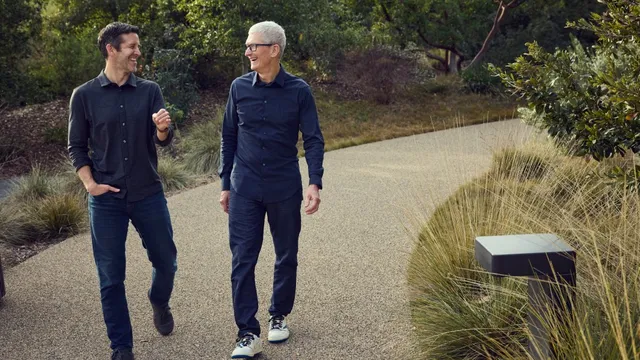
Tim Cook hands Apple reins to John Ternus as CEO

Apr 20, 2026, 10:36 PM146
(Update: Apr 21, 2026, 1:33 PM)
American business executive
American multinational technology company
Apple senior vice president of hardware engineering

Tim Cook hands Apple reins to John Ternus as CEO

  • Tim Cook will transition from CEO to executive chairman on September 1, 2026.
  • John Ternus, a seasoned hardware engineering executive, is appointed as the new CEO.
  • This leadership change is seen as a strategic move towards enhancing Apple's innovation and product differentiation.
Share opinion
Tip: Add insight, not just a reaction
14
2

Story

In April 2026, Apple announced a significant leadership transition as Tim Cook prepares to step down as CEO, a role he held for nearly 15 years. Effective September 1, 2026, John Ternus, previously the senior vice president of hardware engineering, will take over the chief executive position. This decision comes after Cook, who joined Apple in 1998 and became CEO in August 2011, successfully led the company to become one of the most valuable in the world, growing its market value from around $350 billion to over $4 trillion during his tenure. Cook's leadership is noted for significant product launches, including the Apple Watch, AirPods, and iCloud, as well as expanding services like Apple Music and Apple Pay. However, there has been criticism that the company lacks major product innovation in recent years, leading to speculation regarding the future direction Apple would take. As Ternus steps into the CEO role, he will be expected to spearhead product differentiation and innovation, particularly focusing on new hardware developments as Apple seeks to enhance its competitive edge in evolving technology landscapes. Ternus brings decades of experience to the role, having joined Apple in 2001. He played a critical part in the engineering and development of Apple’s major product lines, including the transition of Mac computers from Intel processors to Apple silicon. Industry analysts believe his technical background may lead to a renewed focus on hardware innovation at Apple, which many feel is essential for the company's next growth phase, especially as it grapples with improving its AI capabilities. As Cook moves into the role of executive chairman, he will remain involved with Apple, assisting with various company strategies, including collaborations with global policymakers. This leadership change represents a pivotal moment for Apple, as the company hopes to rejuvenate its product line and venture into new technological territories under Ternus’s leadership, signaling a new era for one of the globe's most influential technology companies.

Context

Apple Inc. has long been recognized as a leader in product innovation, and its future hinges on its ability to sustain this legacy through transformative technologies and strategic market positioning. Historically, Apple's innovation trajectory has revolved around a combination of hardware, software, and services, exemplifying a holistic approach that enhances user experience. The company has consistently leveraged cutting-edge technology to redefine consumer expectations, from the introduction of the personal computer to the ground-breaking launch of the iPhone. As the technological landscape continues to evolve, driven by advancements in artificial intelligence, augmented reality, and machine learning, Apple must adapt its innovation strategy to retain its competitive edge and market leadership in a rapidly changing environment. In recent years, Apple has shown a commitment to enhancing its existing product line while simultaneously venturing into new territories, including wearable technology and health services. The Apple Watch, for example, has extended the company's influence beyond traditional computing devices, integrating health monitoring features that resonate with the growing consumer demand for wellness solutions. Furthermore, Apple's foray into services such as Apple Music, Apple TV+, and Apple Fitness+ signifies a strategic shift towards creating a robust ecosystem that encourages user loyalty while generating recurring revenue streams. This expansion indicates the company's recognition of the importance of software and services in driving future growth and innovation. The importance of sustainability and environmental responsibility cannot be overstated in Apple's future product innovation endeavors. As consumers become increasingly environmentally conscious, Apple has integrated sustainability into its design and manufacturing processes, aiming to reduce its carbon footprint and utilize renewable materials. This commitment not only strengthens Apple's brand image but also aligns with global trends toward eco-friendly practices. Looking ahead, Apple must continue to prioritize sustainability in its product innovation roadmap, ensuring that its products and services do not only meet consumer demands for performance and design but also resonate with the ethical considerations of its user base. In conclusion, Apple's product innovation future will depend on its agility in adapting to technological advancements and consumer preferences while maintaining a commitment to sustainability. By focusing on integrating artificial intelligence, expanding its services, and enhancing its commitment to environmental responsibility, Apple is poised to redefine the consumer technology landscape for years to come. The ongoing challenge will be for Apple to balance innovation with consumer expectations and market realities, ensuring that it not only remains a leader in technology but also a responsible global corporate citizen.

2026 All rights reserved
