

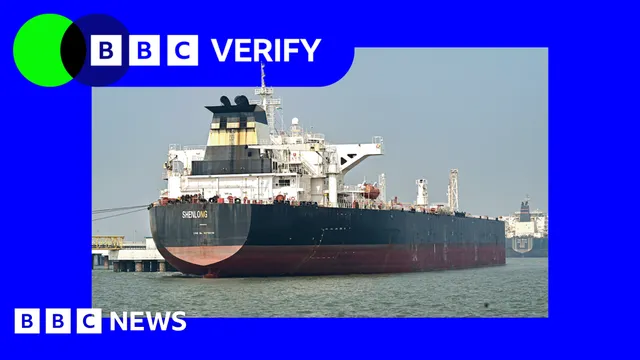
Iran grants safe passage to select ships amid shipping turmoil
Iran grants safe passage to select ships amid shipping turmoil
- Global shipping has suffered severe disruptions due to ongoing conflict in Iran, specifically affecting the Strait of Hormuz, a vital global oil transit route.
- Iran is allowing a limited number of commercial ships safe passage through its waters under strict conditions and visual verification.
- The arrangement indicates ongoing diplomatic efforts and the necessity for a structured approach to maritime safety as tensions in the region persist.
Story
Iran has faced intense conflict, enduring a significant military confrontation for over two weeks, causing substantial disruptions to global shipping routes, particularly through the critical Strait of Hormuz. This strategic waterway is essential for the global energy market as it conducts about a quarter of the world's seaborne oil trade daily. Despite severe tensions, Iranian officials claim that the strait remains open for vessels not associated with the US or its allies. With escalating violence resulting in at least 1,300 fatalities and retaliatory measures impacting neighboring Gulf nations, the regional situation is precarious. Iran's military operations and geopolitical strategies have altered the dynamics of maritime traffic in the strait, where Iran historically exercises control. Although Iranian military capabilities have been notably diminished, they still possess the strategic advantage to threaten or monitor access to this vital chokepoint. As a result, numerous commercial ships have faced delays, with many remaining stranded near the strait due to fears of missile and drone assaults directed at foreign vessels. Reports from credible sources indicate that Iran has established a selective protocol to allow certain vessels to traverse its territorial waters safely. This initiative reportedly involves nine vetted commercial vessels that have navigated a designated safe corridor near Larak Island, closely monitored by the Iranian Revolutionary Guard Corps and local port authorities. The entire process requires visual verification, contributing to the narrowing possible transit options for non-compliant vessels. Negotiations between Iran and several nations, including China, India, Pakistan, Iraq, and Malaysia, aim to set a structured approach to ensure safe passage for ships. Initial communications have hinted at the establishment of an advance registration system, managed by the Revolutionary Guard Corps, to facilitate smoother clearance for vessels. One ship was acknowledged to have secured passage after a payment of around $2 million, while Indian-flagged tankers managed to navigate through the strait around March 13, 2026. These developments underscore the emerging need for clearer maritime guidelines amid global commerce's ongoing turmoil caused by hostilities in the region.


