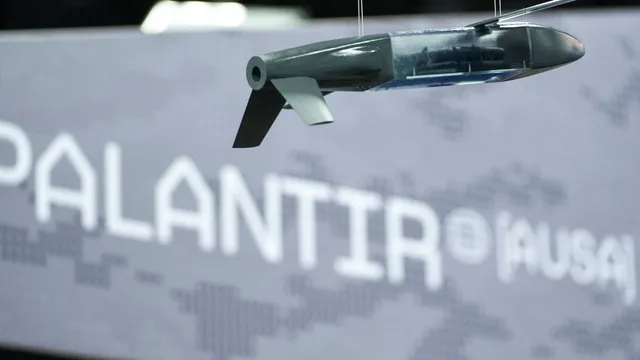
The impact of artificial intelligence (AI) on modern warfare is profound and multifaceted, reshaping the landscape of military strategy, operations, and ethics. AI technologies are increasingly integrated into various aspects of warfare, from intelligence gathering and surveillance to autonomous weapon systems and decision-making processes. The ability of AI to analyze vast amounts of data quickly and accurately enhances situational awareness for military commanders, allowing for more informed and timely decisions on the battlefield. This capability is particularly crucial in contemporary conflicts, where the speed of operations can determine the outcome of engagements. Moreover, AI-driven systems can process real-time information from multiple sources, providing a comprehensive view of the operational environment and enabling forces to adapt rapidly to changing conditions.
The development of autonomous weapon systems represents one of the most significant advancements in modern warfare. These systems, which can operate without direct human intervention, raise critical questions about accountability and ethical considerations in combat. While proponents argue that AI can reduce human casualties by taking soldiers out of harm's way, critics warn of the potential for unintended consequences, including the risk of malfunction or misuse. The deployment of such systems necessitates a robust framework for governance and regulation to ensure that they are used responsibly and in accordance with international humanitarian law. As nations race to develop and deploy these technologies, the potential for an arms race in AI-driven military capabilities looms large, prompting calls for international dialogue and agreements to mitigate risks.
Furthermore, AI's role in cyber warfare is becoming increasingly prominent. As military operations become more reliant on digital infrastructure, the potential for AI to enhance cyber capabilities is significant. AI can be employed to identify vulnerabilities in enemy systems, automate cyber attacks, and defend against intrusions. This dual-use nature of AI in cyber operations complicates the security landscape, as adversaries may leverage similar technologies to counteract or exploit weaknesses. The integration of AI into cyber warfare underscores the need for robust cybersecurity measures and the development of strategies to protect critical infrastructure from AI-enhanced threats.
In conclusion, the impact of AI on modern warfare is transformative, offering both opportunities and challenges. As militaries around the world continue to adopt AI technologies, the implications for strategy, ethics, and international security are profound. The need for a comprehensive understanding of these technologies, along with the establishment of ethical guidelines and regulatory frameworks, is essential to navigate the complexities of AI in warfare. As we move forward, it is imperative that policymakers, military leaders, and technologists collaborate to ensure that the integration of AI into military operations enhances security while upholding humanitarian principles.