

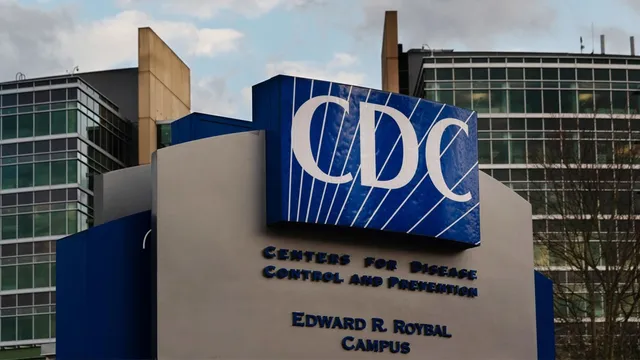
CDC reverses stance, hints at vaccine-autism connection
CDC reverses stance, hints at vaccine-autism connection
- A recently updated CDC webpage introduces uncertainty about the vaccine-autism link, suggesting health authorities overlooked relevant studies.
- Experts express outrage over the revision, emphasizing that extensive research has consistently shown no connection between vaccines and autism.
- The revisions raise concerns about political influence on public health communications and the potential impact on vaccination rates.
Story
In recent weeks, the Centers for Disease Control and Prevention (CDC) in the United States modified its webpage addressing the longstanding debate about the link between vaccines and autism. The revisions sparked significant controversy, as the agency shifted from a clear stance that vaccines do not cause autism to a more ambiguous position suggesting that health authorities may have overlooked studies that could indicate a link between infant vaccines and the disorder. This change coincided with political dynamics surrounding Robert F. Kennedy Jr.'s confirmation as the Secretary of Health and Human Services, which raised questions about potential political influence on scientific communications. Experts in the scientific community swiftly condemned the revision, emphasizing that extensive research over decades has established no credible connection between vaccines and autism. They noted that the previous version of the CDC webpage had cited numerous comprehensive studies, including a 2012 review from the National Academy of Medicine, affirming the absence of any association. The revised page also mentioned the Department of Health and Human Services' initiation of a 'comprehensive assessment' into the causes of autism, although it remained unclear what this assessment would entail or how it would be conducted. Additionally, the dissent among pediatricians and vaccine experts grew louder following the release of the revised webpage. The Autism Science Foundation expressed their outrage, characterizing the modifications as 'anti-vaccine rhetoric' that could mislead parents and create unfounded fears regarding vaccine safety. They expressed concern over the potential public health implications, fearing that misinformation could result in lower vaccination rates and increased susceptibility to vaccine-preventable diseases among children. The controversy surrounding the CDC's messaging illustrates the ongoing tension between political influence and public health recommendations. There is a significant concern that the new narrative being propagated could reverse the progress achieved in maintaining high vaccination rates necessary for preventing outbreaks of contagious diseases. As advocates call for the CDC to uphold its commitment to evidence-based information, the revision highlights challenges in navigating public perceptions regarding vaccine safety amidst an environment ripe with skepticism about the medical establishment.
Context
The current scientific consensus on vaccines and autism is clear and unequivocal. Extensive research conducted by numerous health organizations and scientific communities has consistently shown that there is no causal link between vaccines and the development of autism spectrum disorder (ASD). The hypothesis of a connection largely stemmed from a fraudulent study published in 1998 by Andrew Wakefield, which has since been widely discredited and retracted. Since that time, a multitude of large-scale studies across diverse populations have reaffirmed the safety and efficacy of vaccines, dismissing the Wakefield study's claims as factually unsupported and scientifically invalid. Health entities such as the Centers for Disease Control and Prevention (CDC), the World Health Organization (WHO), and the American Academy of Pediatrics (AAP) endorse the position that vaccines are crucial for public health. They emphasize the importance of immunization in preventing serious infectious diseases, which can have severe consequences for individuals, particularly those who are vulnerable or immunocompromised. The safety monitoring systems in place for vaccines ensure that any potential side effects are recorded and studied. Yet, no credible evidence has been found to support the notion that vaccines contribute to the onset of autism. Moreover, numerous peer-reviewed studies involving thousands of children have analyzed the potential relationship between vaccination schedules and autism rates, consistently reporting no correlation. For instance, a comprehensive study comparing vaccinated and unvaccinated groups found no significant differences in the rates of ASD. Additionally, the increase in autism diagnoses observed over the past few decades is attributed to better awareness, improved diagnostic methods, and broader definitions of autism rather than an association with childhood vaccines. In conclusion, the overwhelming body of evidence and the consensus within the scientific community support the safety of vaccines and their non-association with autism. Continuing to propagate the idea that vaccines can lead to autism poses a significant risk to public health, as it undermines trust in vaccination programs and contributes to vaccine hesitancy. Public health campaigns aim to educate communities about the importance of vaccinations for preventing diseases, thereby ensuring both individual and community health safety.


