

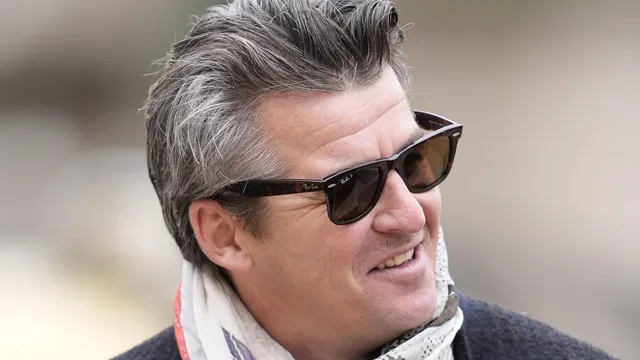
Joey Barton ordered to pay £300k over online libel against Eni Aluko
Joey Barton ordered to pay £300k over online libel against Eni Aluko
- The High Court ruled that Joey Barton must pay Eni Aluko significant damages due to a libel case concerning two defamatory posts.
- Barton was absent from the hearing due to an arrest related to alleged assault charges, yet the court ordered him to compensate Aluko.
- This case demonstrates the implications of online harassment and the responsibilities of individuals in public life regarding their social media expressions.
Story
In the United Kingdom, former England international Eni Aluko achieved a significant legal victory against Joey Barton concerning defamatory statements made on social media. The High Court ruled that Barton, who failed to attend the hearing due to being arrested for an alleged assault, was liable for libel after he posted defamatory claims about Aluko on the platform X in 2024. The court found that between January and August of that year, Barton published numerous posts that both vilified and harassed Aluko, ultimately causing her considerable emotional distress. One of the most controversial posts included an image of Aluko’s head superimposed on a serial killer, representing a targeted campaign of harassment aimed at damaging her reputation. In total, the court ordered Barton to pay £339,000, including initial damages and legal costs, with £100,000 due by March 24. The court acknowledged Barton's acceptance of his harassment campaign against Aluko, illustrating the severe consequences of his actions. Eni Aluko expressed relief and satisfaction following the ruling, indicating the case's distressing impact on her life and the long battle she had endured to seek justice. The case highlights the issue of online harassment and the responsibility individuals hold when using social media platforms. It serves as a reminder that statements made online, particularly those that might harm others, can lead to legal repercussions and consequences. This case opens up broader discussions about the responsibilities of public figures in the digital space and the potential impact of their words. As the legal decisions unfold, it remains crucial for both media personnel and the public to understand the boundaries of free speech and the serious nature of harassment, especially when it involves significant public figures like Aluko and Barton. The High Court’s ruling stands as a precedent for future cases of online libel and harassment, emphasizing the need for accountability in online discourse.


