Climate change poses a significant threat to coral reefs, which are vital ecosystems supporting a diverse array of marine life. These underwater structures, often referred to as the "rainforests of the sea," provide habitat, food, and protection for numerous species. However, rising sea temperatures, ocean acidification, and increased frequency of extreme weather events due to climate change are leading to widespread coral bleaching and degradation. Coral bleaching occurs when corals expel the symbiotic algae (zooxanthellae) that live within their tissues, resulting in a loss of color and essential nutrients. Prolonged bleaching can lead to coral death, disrupting the entire marine ecosystem that relies on these reefs for survival.
The increase in global temperatures has been linked to the rise in sea surface temperatures, which can exceed the thermal tolerance of many coral species. Studies indicate that even a 1-2 degree Celsius increase can trigger bleaching events. Additionally, ocean acidification, caused by the absorption of excess atmospheric CO2, reduces the availability of carbonate ions necessary for corals to build their calcium carbonate skeletons. This weakening of coral structures not only affects the corals themselves but also compromises the entire reef system, making it more vulnerable to erosion and other stressors.
Moreover, climate change exacerbates the frequency and intensity of storms, which can physically damage coral reefs. Increased sedimentation from land runoff, often intensified by heavy rainfall and flooding, can smother corals and hinder their ability to photosynthesize. The combination of these factors leads to a decline in coral cover and biodiversity, which can have cascading effects on fish populations and other marine organisms that depend on healthy reefs for food and shelter. The loss of coral reefs also impacts human communities that rely on them for fisheries, tourism, and coastal protection.
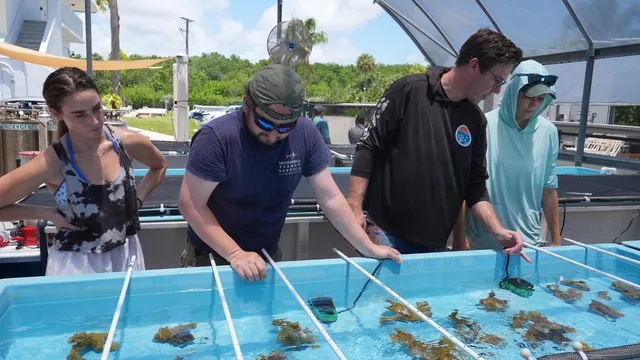
To mitigate the impact of climate change on coral reefs, it is crucial to implement effective conservation strategies. This includes reducing greenhouse gas emissions globally, establishing marine protected areas, and promoting sustainable fishing practices. Restoration efforts, such as coral gardening and breeding programs, can also help rehabilitate damaged reefs. Public awareness and education about the importance of coral reefs and the threats they face are essential for fostering community support for conservation initiatives. By taking collective action, we can work towards preserving these invaluable ecosystems for future generations.