

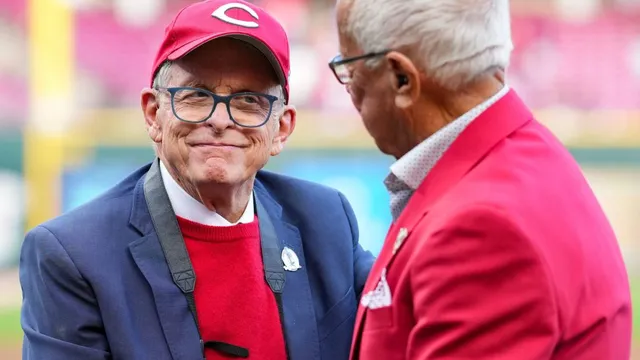
Mike DeWine admits regret over legalizing sports betting in Ohio
Mike DeWine admits regret over legalizing sports betting in Ohio
- Governor Mike DeWine's support for the 2021 law legalizing sports betting in Ohio has significantly shifted after the law took effect and led to scandals.
- The indictment of players from the Cleveland Guardians linked to gambling raised alarms for DeWine, prompting him to call for stricter regulations on betting.
- DeWine now believes that Ohio should not have legalized sports betting and is willing to repeal the law despite political obstacles.
Story
In 2023, following the implementation of a law legalizing sports betting in Ohio, Governor Mike DeWine began to express regret about his earlier support for the legislation. Initially signed in 2021, the law permitted adults 21 and older to place bets online and at various locations, including casinos and sports venues. However, as controversies arose, particularly linked to allegations of sports manipulation involving players from the Cleveland Guardians, DeWine's concerns intensified. He acknowledged that his support for the legalization was perhaps misguided, claiming it's become an unregulated industry causing significant ethical challenges in sports betting. DeWine's opinion transformation was further influenced by the indictment of Guardians pitchers Luis Ortiz and Emmanuel Clase, who were allegedly involved in rigging pitches under the influence of gamblers. This led DeWine to take action by advocating for stricter regulations on prop bets, a type of betting he identified as particularly risky. He coordinated discussions with Major League Baseball to limit prop bets on individual pitches, ultimately bringing about a pivotal agreement to enforce stricter limits on these bets within Ohio. Despite his current stance against the industry, DeWine admitted that any attempt to repeal the sports betting law would not find sufficient support in the state legislature. He remarked on the significant financial ties the gambling industry has with Ohio politics, citing substantial campaign contributions made to his efforts and to the Republican Governors Association, which supported his initiatives. Although he recognizes the pressures and controversies arising from legalized betting, he understands the complexities involved in reversing such legislation given the interests at play. As he approaches term limits in 2026, DeWine continues to express concerns over gambling-related issues, warning that the integrity of sports is under threat. He remains committed to working with various stakeholders to ensure measures are taken to safeguard ethical practices in betting. While he has indicated openness to repealing the law, he is also aware of the political landscape that complicates such endeavors. His situation underscores the balancing act faced by policymakers when innovative laws meet unforeseen consequences.


