

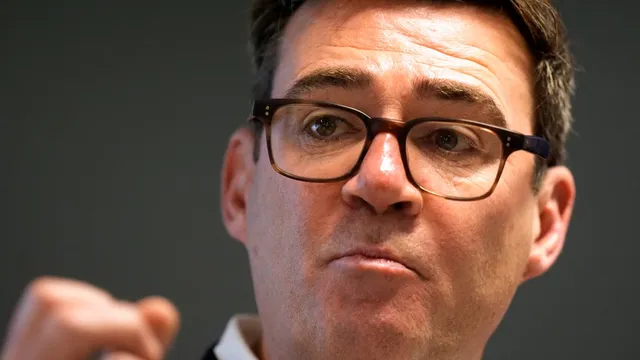
Andy Burnham must decide his political future today
Andy Burnham must decide his political future today
- The Labour Party has given Andy Burnham a deadline to decide on running for Gorton and Denton seat, with applications due by midnight on Sunday.
- Burnham's potential candidacy is significant as it poses both opportunities and risks for his political future and the Labour Party's standing.
- The outcome of this decision could reshape the party's leadership dynamics in the North, particularly in light of challenges from rival parties.
Story
In the United Kingdom, Labour Party member Andy Burnham is under pressure to decide by 5 PM today whether he will seek to fill the Gorton and Denton parliamentary seat, recently vacated by Andrew Gwynne due to health issues. Labour’s National Executive Committee has set a strict deadline, urging a swift decision on Burnham’s participation in the by-election process, which could see the party racing to the polls as early as next month. The selection process for candidates is designed to be completed by next Saturday, creating an urgent environment for Burnham and other potential candidates. This seat is crucial as it has historically been a stronghold for Labour, winning by a significant margin in the last election. Burnham’s supporters believe his presence in parliament could improve Labour's fortunes, especially in the face of declining popularity for Prime Minister Keir Starmer. Despite pressures from party members rallied by allies like former deputy prime minister Angela Rayner, Burnham is faced with potential resistance from Starmer’s inner circle, who may attempt to block his candidacy. The implications are vast. If Burnham successfully wins the seat, it could position him as an influential player within the party, perhaps even a challenger to Starmer's leadership, should the political landscape continue to shift unfavorably for the Labour leader. However, if denied the chance to run or if he loses the by-election, it may signify a significant career setback for Burnham, marking the end of his aspirations to reclaim a significant role in Westminster Politics. Overall, as the clock ticks down to the decisive moment for Burnham, the outcome of this critical juncture has the potential not only to impact his future but also the broader dynamics within the Labour Party, particularly in their efforts to regain strength and control in the North of England amid rising competition from parties like Reform UK.
Context
The Labour Party candidate selection process for the 2026 elections is designed to ensure that the most capable and representative individuals are chosen to stand for election. This process typically involves several stages including an initial assessment, selection of candidates, and the final endorsement by local party members. The aim is to strike a balance between inclusivity and the need for candidates who can effectively represent the party's interests and values on a wider platform. Potential candidates are assessed on their political experience, alignment with party policies, and ability to engage with the community they aim to serve. This approach aims to cultivate a diverse pool of candidates who can address the varied concerns of constituents from different backgrounds and demographics. Regional party structures play a crucial role in the candidate selection process. These structures are responsible for organizing candidate shortlisting meetings, where local party members have the opportunity to engage with and evaluate prospective candidates. This local involvement fosters a sense of ownership among party members and enhances transparency within the selection process. Moreover, the party has established guidelines to ensure that all candidates go through a rigorous vetting process to uphold the integrity of the party and the democratic process. The emphasis is placed not only on personal merits but also on the candidate's ability to work collaboratively within the wider Labour Party framework. The impact of technological advancements has also been notable, with many Labour branches increasingly utilizing digital platforms for candidate engagement and selection activities. Online forums and virtual meetings allow for greater participation from members who may be unable to attend in-person meetings due to various constraints. This modern approach aids in reaching a broader audience and ensures that candidate selections are more reflective of the party's membership as a whole. Additionally, the incorporation of social media and other digital tools enables candidates to present their policies and ideas more effectively, catering to younger demographics who are crucial for the party's rejuvenation. As the Labour Party approaches the 2026 elections, the candidate selection process will be instrumental in shaping its electoral fortunes. The party must carefully consider the qualities and attributes they seek in candidates, particularly as the political landscape evolves. Ensuring that selected candidates resonate with the electorate while embodying the core values of the Labour Party will be critical in fostering voter trust and engagement. Ultimately, the effectiveness of the candidate selection process will significantly influence the party's ability to present a united front and respond adeptly to the pressing issues facing society.


