

Germany secures long-term LNG agreements with Canada amid energy crisis
Germany secures long-term LNG agreements with Canada amid energy crisis
- Germany has signed long-term LNG offtake agreements with Canada's Ksi Lisims project to enhance energy security.
- The Ksi Lisims facility is expected to begin construction in 2027, pending demand confirmation and overcoming legal challenges.
- Despite the agreements, Germany may not receive LNG directly, opting instead for cargo swaps with suppliers closer to Europe.
Story
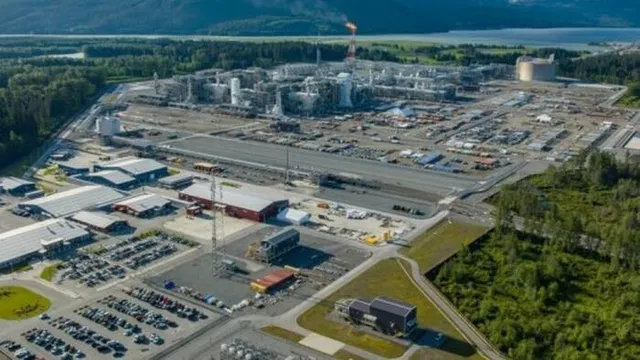
Germany has taken significant steps to enhance its energy security by signing long-term liquefied natural gas (LNG) offtake agreements with the Ksi Lisims project in Canada. This initiative comes in response to increasing geopolitical tensions and the urgent need for reliable energy sources. The agreement, brokered by the Canadian government, allows German company SEFE to purchase 1 million tonnes of LNG annually for up to 20 years from the Ksi Lisims LNG facility, which is located north of Prince Rupert, British Columbia. This marks a historic first for a Canadian LNG project to secure a long-term supply arrangement with a European buyer. In addition to SEFE's agreement, Germany's Uniper has signed a letter of intent for a potential offtake agreement of 2 million tonnes per year. The Ksi Lisims facility, which is a joint venture involving the Nisga’a Nation, Western LNG, and Rockies LNG, has an annual capacity of 12 million tonnes. However, construction of the facility is not expected to begin until 2027, as it faces several significant hurdles, including the need to demonstrate sufficient demand to proceed with construction. The project has already secured binding offtake agreements with major energy companies like Shell and TotalEnergies, but the timeline for construction has been complicated by legal challenges from local Indigenous groups and environmentalists. The liquefied natural gas pipeline associated with the project was authorized in 2014, but its construction has faced delays, with a deadline for starting construction extended to 2024. Opposition figures, such as Pierre Poilievre, have suggested that shipping LNG from Canada's east coast would be a more viable option. Despite the agreements in place, there is skepticism about whether Germany will receive LNG directly from Ksi Lisims. Instead, it is likely that the German companies will engage in cargo swaps, a practice that is becoming increasingly common in the LNG market. This involves purchasing LNG and redirecting it to buyers in Asia, while receiving LNG from suppliers closer to Europe, such as the United States, Qatar, Algeria, or Norway. This strategy could help reduce shipping costs and transit times, while still maintaining the overall gas supply balance for Germany.


