

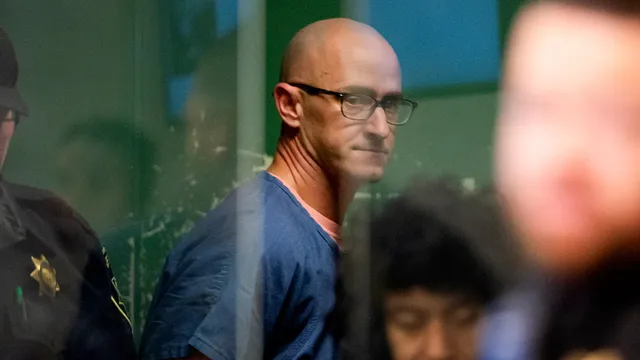
Pilot sentenced after trying to shut down engines mid-flight
Pilot sentenced after trying to shut down engines mid-flight
- Joseph Emerson attempted to shut down the engines of a Horizon Air flight while under the influence of psychedelic mushrooms.
- The flight crew responded quickly, restraining Emerson and ensuring the safety of passengers before landing in Portland.
- Following the incident, Emerson was sentenced to probation, community service, and required to pay restitution, highlighting concerns about pilot safety and accountability.
Story
In October 2023, a serious incident took place on a Horizon Air flight carrying passengers from Everett, Washington, to San Francisco. Joseph Emerson, an off-duty pilot for Alaska Airlines, was under the influence of psychedelic mushrooms when he attempted to turn off the aircraft's engines mid-flight, sparking immediate chaos in the cockpit. The flight crew quickly responded to the emergency, restraining Emerson and notifying air traffic control of the need for an emergency landing in Portland. The crew's quick actions ensured the safety of the passengers aboard, as Emerson was subdued without causing harm while the plane descended towards Portland. During the descent, communication with air traffic control indicated that although there was initially a high threat level due to Emerson's actions, his removal from the cockpit reduced this risk considerably. Law enforcement was requested to be present upon landing. Once on the ground, Emerson faced federal charges for interfering with a flight crew. This reflected broader concerns about safety and security in air travel, especially with regard to the potential influence of substances on individuals in positions of responsibility. Emerson was sentenced to five years of probation, 664 hours of community service, and ordered to pay over $60,000 in restitution, primarily to the Alaska Air Group. The incident brought forth discussions about pilot mental health, substance use, and the need for strict regulations to ensure safety within the aviation industry. Pilot behavior not only affects flights but also raises concerns about regulatory frameworks designed to manage crew well-being and public safety. This incident exemplified the critical importance of monitoring both physical and mental health among airline crews. Following this event, discussions emerged on how to prevent similar incidents, focusing on the responsibility that comes with holding a pilot's license and how airlines can better support their staff. Not only did Emerson’s actions pose an immediate safety risk, but they also emphasized systemic issues in the aviation industry regarding crew member reliance on substances, showing a clear need for improved oversight and support mechanisms for pilots, especially in periods of distress or change in personal circumstances.


