

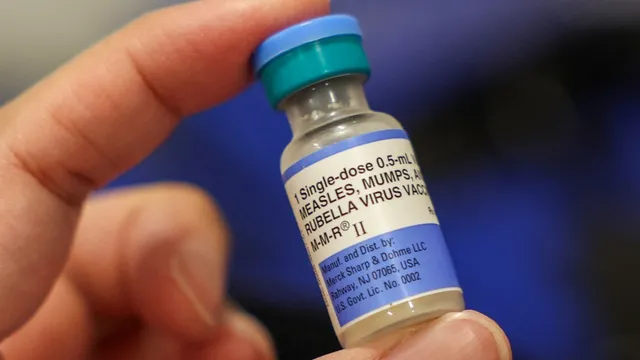
U.S. faces imminent loss of measles elimination status amid outbreaks
U.S. faces imminent loss of measles elimination status amid outbreaks
- Measles cases are rising in Arizona and Utah, threatening U.S. elimination status.
- The elimination status could be lost if the virus continues to spread for 12 months.
- Urgent vaccination efforts are needed to prevent further outbreaks this holiday season.
Story
The United States is currently experiencing a significant rise in measles cases, particularly in regions such as Arizona and Utah. A recent outbreak has contributed to the resurgence, with continuous transmission worrying health officials that the country may lose its measles elimination status if the situation does not improve. If measles persists through January 20, it will mark a year of continual transmission, which could lead to losing the elimination status. This concern is highlighted by the fact that several reported cases this year have stemmed from unvaccinated individuals and that low vaccination rates in certain communities have exacerbated the issue. The Health Observatory at Arizona State University has indicated that if vaccination efforts are not strengthened before approaching the holidays, the risk of transmission may escalate significantly, especially with families traveling and gathering. Health experts are cautioning that measles is highly contagious, affecting up to 90% of those who are not immune when in contact with an infected person. Moreover, the virus can stay airborne, leading to greater risk of widespread infection in tightly packed gatherings during cold months. This recent uptick in measles cases has brought scrutiny to the current leadership and strategies of the Centers for Disease Control and Prevention (CDC), with calls for stronger public health messaging about vaccination. For instance, in Mohave County, where vaccination rates among kindergartners are notably low, the public health implications of the ongoing outbreaks are substantial. This situation serves as a critical reminder of the importance of maintaining high vaccination rates to prevent the re-establishment of endemic transmission of diseases like measles which once had been largely under control in the U.S.
Context
The loss of measles elimination status has significant public health implications. Measles, a highly contagious viral infection, can lead to severe complications and even death, particularly in vulnerable populations such as infants and immunocompromised individuals. When a country loses its elimination status, it indicates a decline in vaccination coverage, which can lead to outbreaks. These outbreaks not only pose a risk to those who are unvaccinated but can also affect people with weakened immunity who are unable to receive the vaccine for medical reasons. Furthermore, the resurgence of measles can strain healthcare systems, diverting resources from other critical public health initiatives and leading to increased healthcare costs due to hospitalizations and treatment of complications associated with measles. In addition to the direct health impacts, losing elimination status can have broader social and economic consequences. Communities may experience a loss of confidence in public health programs, particularly vaccination campaigns. Misinformation and vaccine hesitancy can become more prevalent, making it difficult to achieve herd immunity, which is essential for protecting those who cannot be vaccinated. Additionally, schools and communities may face closures or restrictive measures during outbreaks, leading to disruptions in education and daily life. These social interruptions can have lasting effects on community trust in health authorities and hinder future public health efforts. The loss of measles elimination status can also have international ramifications. Countries that experience measles outbreaks may face travel restrictions or increased scrutiny from other nations, impacting tourism and economic relations. Moreover, measles is not constrained by borders; an outbreak in one country can quickly spread to another, representing a global health threat. The World Health Organization and other international bodies may increase their involvement, requiring countries to enhance their surveillance and response capabilities, which could place additional burdens on national health systems already stretched thin. In summary, the consequences of losing measles elimination status are profound, affecting not just individual health through increased risk of disease but also public trust in vaccination programs, social stability, and international relations. Maintaining high vaccination coverage is essential to prevent the return of measles and uphold the achievements made in public health over the past decades. Continuous efforts are necessary to combat misinformation and to promote the benefits of vaccination to ensure that communities remain protected against this preventable disease.


