

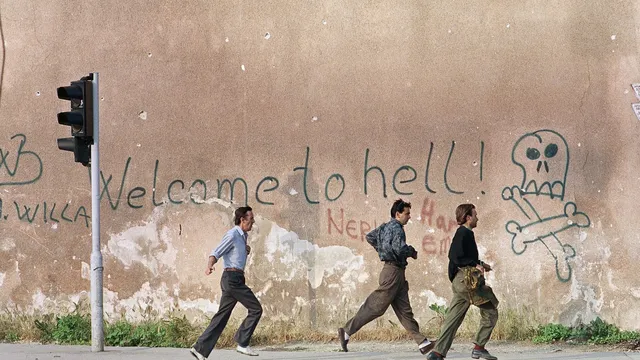
Italians face investigation for participating in deadly sniper safaris in Sarajevo
Italians face investigation for participating in deadly sniper safaris in Sarajevo
- Italy's prosecutor currently investigates claims of Italians participating in sniper safaris in Bosnia during the war.
- Participants allegedly paid significant amounts to shoot at civilians, facilitated by local militias and organized travel.
- This investigation highlights a call for accountability for wartime atrocities committed in Sarajevo.
Story
In the 1990s, during the Bosnian War, Sarajevo was subject to a brutal siege that resulted in the deaths of over 11,000 civilians. Allegations have surfaced regarding organized trips, referred to as 'sniper safaris', wherein participants, primarily Italians, would travel to Sarajevo to target civilians for sport. These heinous activities were said to have been facilitated by local Bosnian-Serb militias loyal to President Radovan Karadzic, who was later convicted of severe war crimes. Reports indicate that trips were arranged using the Yugoslav/Serbian airline Aviogenex, enabling these so-called tourists to shoot at unarmed citizens from the hills surrounding the city. Italian participants were said to pay exorbitant fees, sometimes upwards of 100,000 euros, to take part in this brutality, with a pricing system implemented for different types of targets, including greater costs for children. The Italian military intelligence agency, Sismi, was allegedly informed of these activities as early as 1994 but reportedly failed to pursue the matter further. The recent investigation by Italy’s public prosecutor is a response to growing evidence and testimonies, including that of Edin Subasic, a Bosnian military intelligence officer who has described the involvement of the Serbian State Security Service in orchestrating these trips. This inquiry aims to uncover the full extent of this shocking episode and provide some measure of accountability for the participants involved in these war crimes, highlighting the necessity for justice against those who remained active participants while the siege of Sarajevo unfolded. There is significant public interest in the investigation as many in Sarajevo still bear the scars of the conflict and hope for some form of recognition of the wrongs that occurred during the war. The calls for justice have intensified over the years, as survivors and families of victims demand accountability and transparency from the authorities regarding the individuals who participated in these sniper safaris and their facilitation of such acts during a time of humanitarian crisis. It stands as a grim reminder of the atrocities that can occur in conflict zones and the lining up of individuals who not only take part in but finance these reprehensible actions.


