

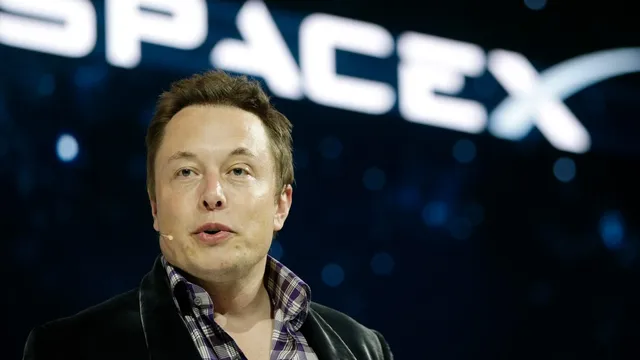
Elon Musk merges SpaceX and xAI, creating a $1.25 trillion company
Elon Musk merges SpaceX and xAI, creating a $1.25 trillion company
- Elon Musk announced the merger of SpaceX and xAI, creating one of the largest private companies valued at $1.25 trillion.
- This strategic move aims to position SpaceX ahead of its IPO and enhance xAI's infrastructure while attracting investor interest.
- The merger reflects Musk's vision for an integrated tech future, but concerns about regulatory challenges and valuation remain.
Story
In early February 2026, Elon Musk announced the merger of SpaceX and xAI, which has significant implications for their operations and future growth. The merger is strategic as SpaceX prepares for its anticipated initial public offering (IPO), positioning itself competitively against its rivals in the AI sector. Analysts have reported that this merger could create a combined entity valued at $1.25 trillion, primarily attributed to SpaceX’s established market value. Both companies seek to enhance their capabilities; SpaceX gains financial support while xAI benefits from expanded infrastructure and services. The merger aims to integrate rocket technology and artificial intelligence, which Musk believes could revolutionize data processing by deploying AI in space through a network of satellites. Musk’s vision includes creating orbital data centers that would provide the lowest-cost AI computing infrastructure while offering services such as space-based internet. Although Musk’s ambitious projections often come with skepticism regarding his timelines, he aims to realize this vision within a few years. The merger has sparked speculation on future synergies involving other Musk-led companies, particularly Tesla. Recent reports indicate that Tesla is also investing in xAI, hinting at potential future consolidations where multiple Musk enterprises could come under one umbrella. Analysts suggest this could recreate a combined synergy focused on robotics, space, and artificial intelligence, further enhancing Musk's status in the tech landscape. However, some voice concerns over the merging of different sectors and whether investors would prefer to value them separately, particularly given xAI's regulatory challenges. With critics expressing doubts about the broader integration of their businesses, particularly in areas associated with artificial intelligence, Musk's strategy to create a super-company encapsulating both SpaceX and xAI follows a recognizable pattern from his previous ventures. The merger raises questions of market valuations and how the intertwining of advanced technologies could reshape investor confidence. Ultimately, the significance of this merger is not only in financial valuations but also in its potential to define the future trajectory of the tech industry and Musk's own legacy.
Context
Elon Musk is known for his innovative and disruptive business strategies that have significantly shaped multiple industries. He has leveraged technology and bold vision to create a series of successful companies, including Tesla and SpaceX, among others. Musk's approach typically involves identifying major pain points in existing markets and employing cutting-edge technology to address these challenges. For instance, at Tesla, he focused on the shortcomings of traditional vehicle manufacturers, particularly the reliance on fossil fuels, and introduced electric vehicles that are not only efficient but also appealing to consumers. This strategy of integrating sustainability with performance has played a critical role in Tesla's rise as a leading automotive brand. Musk's unique business strategy also emphasizes vertical integration, which allows him to control various facets of production and supply chains. For example, at Tesla, the establishment of Gigafactories has enabled the company to produce batteries and vehicles under one roof, thus streamlining operations and reducing costs. This model not only facilitates quick scaling but also ensures a quality control process that is crucial in the high-tech automotive sector. Moreover, his commitment to innovation is demonstrated in SpaceX, where technological breakthroughs such as reusable rockets have significantly reduced the cost of space travel, making it more accessible. Additionally, Musk's approach includes a keen understanding of public relations and brand building. He often utilizes social media platforms, particularly Twitter, to engage directly with consumers and the public. His strategic communication creates a strong personal brand that resonates with his audience, garnering massive support and loyalty. This has proven beneficial when launching new products or initiatives, as seen with the high-profile unveilings of Tesla’s vehicles or the ambitious Starlink satellite project. By cultivating a narrative around his ventures, Musk successfully generates buzz and excitement, which is invaluable in maintaining market interest and investor confidence. Finally, risk-taking is a hallmark of Musk's business methodologies. He is known for making bold bets on emerging technologies, often investing substantial resources into projects that others deem unfeasible. This willingness to embrace high-risk opportunities has led to innovations that push the boundaries of their respective industries. For example, Musk's vision for colonizing Mars with SpaceX reflects his long-term ambition to extend human life beyond Earth, showcasing his commitment to solving global challenges while also positioning his companies at the forefront of future exploration. In summary, Musk's business strategies encompass a blend of technological innovation, vertical integration, savvy brand management, and calculated risk-taking, resulting in a significant impact across various sectors.


