

Seasonal allergy season expands as climate factors intensify
Seasonal allergy season expands as climate factors intensify
- Forecasts from AccuWeather indicate increasing pollen levels in the coming weeks due to warm air and changing weather patterns.
- The allergy season is currently underway in parts of the Southern and Western U.S., with tree pollen levels rising.
- The expansion of the allergy season is primarily linked to milder winters and warmer springs affecting pollen release.
Story
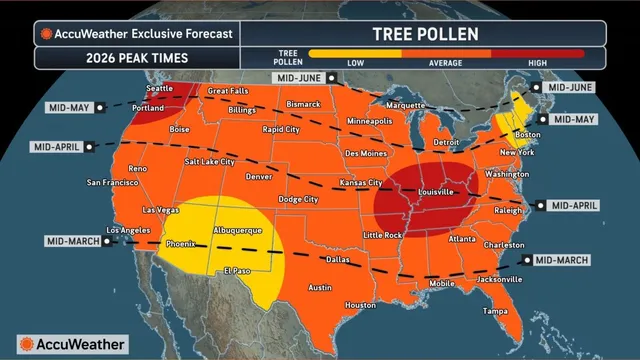
In the United States, the seasonal allergy season appears to be extending due to a variety of climatic factors. As of early March 2026, AccuWeather meteorologists predict that the pollen levels are likely to rise significantly as warmer air moves north and precipitation patterns shift. The allergy season is already active in parts of the Western and Southern regions of the country, with tree pollen levels increasing steadily. This year, conditions like spikes in temperatures, changing storm paths, and wind activity will heavily influence pollen intensity and variability, emphasizing the ever-evolving nature of allergy seasons in relation to climate. AccuWeather's predictions highlight that rising temperatures and delayed frosts are allowing the growing season to begin earlier than usual, which correlates to an increase in pollen production. Regions in the South and West are facing earlier tree pollen seasons than usual, while Texas anticipates a brief period of heightened grass pollen levels. Increasing warmth and moisture will lead to more frequent pollen emissions from trees, grass, and weeds throughout the spring. The overall implications of these changes could mean heightened allergy symptoms for many individuals, especially those with sensitivities to pollen. While some areas like New England may experience lower pollen levels due to a colder spring and limited rainfall, other regions are projected to see a significant rise in allergen levels. In fact, a stretch of dry weather followed by sudden cooldowns may limit weed pollen production in New England. Weather patterns, such as repeated storms along the coasts of Washington and Oregon, may provide enough moisture for weeds, but they also could wash pollen away, lowering counts overall. Despite these localized variations, climate scientists are increasingly aware of the overarching trends affecting allergy seasons nationwide. The data from AccuWeather emphasizes that weather conditions, both locally and afar, play a crucial role in shaping pollen level dynamics. The upcoming weeks are expected to demonstrate sharp swings in pollen counts, and residents in affected areas may need to take precautions as they prepare for what could be a more intense allergy season driven by climate change effects. As this season unfolds, monitoring factors such as temperature fluctuations, rainfall, and storm activity may provide critical insights into how allergies impact public health across the United States moving forward.
Context
Climate change has been increasingly recognized as a significant factor affecting various ecological and biological systems, including the timing and severity of allergy seasons. As global temperatures rise, the lengthening of growing seasons for many plants directly influences pollen production. This increase in atmospheric temperature can cause certain plants, especially allergenic species such as ragweed, to bloom earlier in the year and continue producing pollen for extended periods. Consequently, allergy sufferers are likely to experience longer and more intense allergy seasons as a result of climate-induced changes in plant biology. Moreover, higher levels of carbon dioxide, a significant greenhouse gas, enhance the growth rates of these plants, resulting in even greater pollen emissions. This has critical implications for public health, with many individuals potentially facing heightened exposures to allergens in the air and worsening symptoms. In addition to increased pollen levels, climate change may also exacerbate other factors contributing to allergies, such as air pollution and its interaction with pollen particles, further complicating the health impacts on vulnerable populations. The relationship between climate change and allergy seasons is not only applicable to pollen-producing plants but also affects the populations of mold spores, another common allergen. Warmer, wetter conditions may create favorable environments for mold growth, leading to increased spore counts in the air during spring and fall, when allergy seasons are typically at their peak. Prolonged periods of humidity, a direct consequence of climate change, can lead to both outdoor and indoor mold proliferation, increasing exposure for individuals with mold allergies. This may also complicate management strategies since typical measures to reduce mold spores, such as dehumidifying indoor spaces, may become less effective in a changing climate. Hence, the overlap and interaction between pollen and mold allergens may further contribute to the complexity of managing allergic reactions, ultimately placing a higher burden on healthcare systems. In light of these findings, adapting public health strategies to address the anticipated changes in allergy seasons is crucial. Monitoring pollen and mold counts in conjunction with environmental changes will be essential for mitigating the effects on affected populations. Communities could implement early warning systems to alert individuals of high allergen days, allowing patients to take preventive measures. Additionally, public health awareness campaigns can educate individuals about the potential health risks associated with climate-induced changes in allergens. For broader societal impacts, policymakers must prioritize sustainable practices aimed at reducing greenhouse gas emissions. These efforts can help mitigate climate change's future effects on both ecosystems and human health, reducing the burden of allergy disorders. Effective responses will require interdisciplinary collaboration among climatologists, allergists, and public health officials to develop comprehensive approaches that are responsive to the evolving landscape of allergen exposure. In summary, climate change substantially impacts allergy seasons through alterations in plant biology, pollen production, and mold proliferation. As temperatures increase and weather patterns shift, individuals are likely to face longer and more severe allergy seasons, culminating in increased health risks. Without adaptive strategies and proactive public health interventions, the consequences of climate change on allergy seasons will resonate through healthcare systems globally, necessitating immediate action to protect public health from the alarming trends brought about by our changing climate.


