

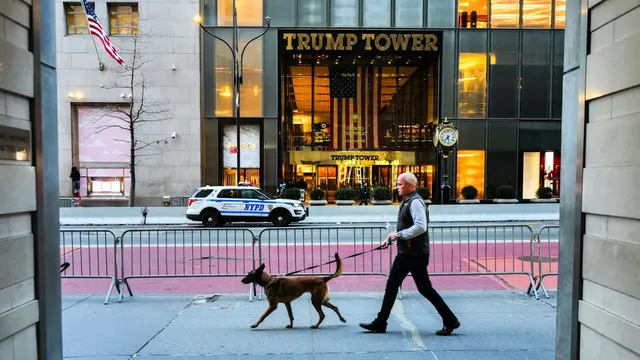
Foreign investor claims massive losses after buying Trump Tower apartment
Foreign investor claims massive losses after buying Trump Tower apartment
- Riccardo Grande Stevens purchased a luxury apartment in Trump Tower for $2.65 million in 2015.
- The apartment has lost almost half of its value, causing significant financial strain.
- Stevens is suing his real estate advisor for alleged fraud and misleading investment advice.
Story
In the United States, Riccardo Grande Stevens, a Monaco-based financier and Italian national, has launched a multimillion-dollar lawsuit against a real estate advisor for purportedly misleading him in his investment decisions. In November 2015, shortly after Donald Trump's presidential campaign announcement, Stevens purchased a one-bedroom apartment (Unit 47H) at Trump Tower for $2.65 million. The property, however, has lost nearly half of its value over the past decade, making it a significant financial burden for Stevens. The lawsuit alleges that Stevens relied on the recommendations of his real estate advisor, Mr. Tayar, believing that the apartment was a lucrative investment opportunity that would appreciate over time and generate rental income. Contrary to these expectations, Stevens found that the high common charges associated with the property limited its potential for generating rental income. It is also noted that apartments in Trump Tower experienced the worst value collapse in New York, with price per square foot decreasing by nearly 50 percent during the said period. After acquiring the apartment, Stevens's overall experience in real estate investment fell short of expectations. The complaint further states that Tayar received significant fees for property management and commissions while allegedly providing misleading financial reports about Stevens's portfolio. These reports suggested that Stevens's investments were profitable, while the reality indicated that essential expenses—including common charges and taxes—remained unpaid. In October 2025, Stevens received a threatening notice regarding unpaid common charges for one of his properties, prompting him to conduct a legal review of his portfolio. The findings revealed that Tayar and Columbus had committed fraud, as the financial reports presented were fabricated and did not accurately reflect the portfolio's condition. Stevens now estimates his financial losses at a minimum of $3 million, which he seeks from Tayar in court.


