

Engineer James Michael Fisher acquitted over military plane crash allegations
Engineer James Michael Fisher acquitted over military plane crash allegations
- James Michael Fisher, an engineer, faced charges related to a 2017 military plane crash that killed 16 service members.
- He was acquitted after a jury trial that questioned the allegations of false statements and obstruction of justice.
- The outcome emphasizes the complexities of accountability in military maintenance and the ongoing discussions surrounding safety protocols.
Story
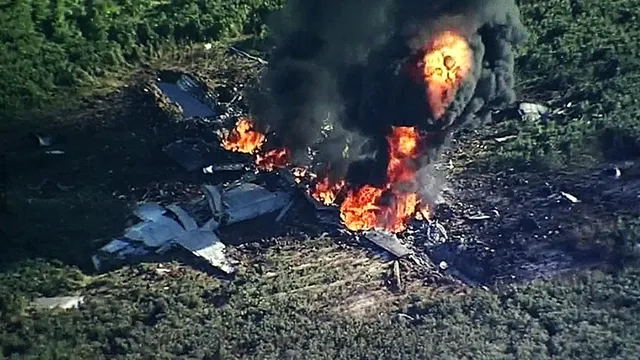
In the United States, a federal jury acquitted engineer James Michael Fisher of charges alleging he lied and obstructed justice in the investigation of a 2017 military plane crash. The incident, which occurred on July 10, 2017, resulted in the deaths of all 16 service members aboard the KC-130T transport plane as it flew from Cherry Point, North Carolina to El Centro, California. Following the crash, military investigators had determined that a propeller blade, which had previous defects, broke apart during flight, causing the aircraft to disintegrate in mid-air over Mississippi, leading to extensive wreckage scattered across farmland near Itta Bena. Fisher was identified as the lead propulsion engineer overseeing maintenance of the aircraft, with a federal grand jury accusing him of making false statements about inspection procedures during a 2021 investigation. The jury trial, which took place over eight days, resulted in a not guilty verdict, as Fisher's defense argued he had not lied when he stated no documents were signed to approve changes in inspection protocols. His lawyer emphasized that another individual had authorized the alterations while Fisher was out of the country, asserting that the crash resulted from myriad possible failures during inspections rather than any intentional act by Fisher. The tragic event represents the deadliest Marine aviation disaster since 2005, and it sparked subsequent investigations which led to stricter scrutiny of maintenance procedures across military branches, including temporary grounding of some aircraft. The military’s review of inspection processes sought to address safety concerns that had been highlighted, following findings that suggested repeated failures in previous inspections allowed defective parts to go undetected. Families of the deceased service members have continued to mourn their loss, and memorials have been erected to honor those who perished in this catastrophic incident. The eventual acquittal of Fisher has prompted discussions surrounding accountability in military maintenance and the implications for engineers and technicians involved in aircraft safety. It raises questions about the complexity of maintaining military aircraft and how failures in protocol can have devastating consequences. Ultimately, this trial not only highlighted the individual case of Fisher but also reignited the focus on the broader context of military aircraft safety and the importance of transparent and effective oversight mechanisms.
Context
This report investigates the safety protocols surrounding military aircraft and their implementation within various branches of the armed forces. Given the evolving nature of aerial combat and military operations, maintaining stringent safety protocols is of paramount importance to ensure the protection of both personnel and equipment. This report emphasizes the need for comprehensive inspections, modernized training programs, and the integration of emerging technologies to bolster safety measures. Through a detailed analysis of the current practices and policies, this report aims to highlight areas of improvement and propose actionable steps to enhance safety in military aviation. Current military aircraft safety protocols involve a combination of routine maintenance checks, pre-flight inspections, and ongoing training of personnel. These measures are designed to uphold high operational standards and minimize the risk of accidents. Regular maintenance schedules, dictated by both aircraft manufacturers and military guidelines, are critical for identifying mechanical issues and ensuring aircraft readiness. In addition, all pilots and support staff undergo rigorous training and continuous education to ensure they are well-versed in emergency procedures and system operations. However, incidents still occur that suggest a need for a refined approach to these established protocols. Emerging technologies such as predictive maintenance analytics and advanced simulation training are becoming increasingly important in enhancing safety measures for military aircraft. Predictive maintenance use artificial intelligence to analyze data from various aircraft systems, allowing for proactive repairs before potential failures may arise. This capability can significantly reduce aircraft downtime and prevent mishaps caused by unforeseen mechanical failures. Advanced simulation technology not only provides cost-effective training experiences but also equips personnel with the skills to react to various in-flight scenarios, ultimately improving decision-making in critical situations. Embracing these innovations can lead to a more robust safety culture within military aviation. In conclusion, the investigation into military aircraft safety protocols reveals both strengths and areas for improvement. While current practices are well-established and critical to maintaining safety, the integration of new technologies and a focus on proactive measures can enhance the effectiveness of these protocols. By continually assessing and modernizing safety practices, military organizations can better protect their personnel, aircraft, and overall mission success. Immediate attention to these recommendations is essential to ensure that safety remains a top priority as military operations evolve.


