

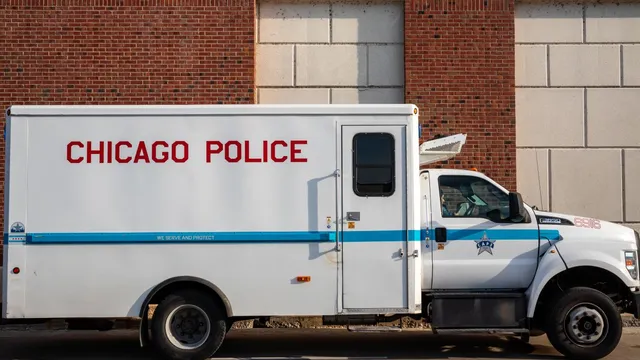
Suspect in custody after two police officers shot in Chicago hospital
Suspect in custody after two police officers shot in Chicago hospital
- Two police officers were shot at Endeavor Health Swedish Hospital in Chicago on Saturday morning.
- Both officers sustained critical injuries, with one shot in the head during the incident.
- A suspect is in custody, and investigations into the circumstances of the shooting are ongoing.
Story
On Saturday morning, two police officers were shot at Endeavor Health Swedish Hospital located in the Lincoln Square neighborhood of Chicago, Illinois. This violent incident prompted a significant emergency response from the police and medical teams in the area. According to multiple sources, one of the officers was reported to be in critical condition after sustaining a gunshot wound to the head during the altercation. Initial reports indicated that the shots were fired inside the hospital, likely involving a prisoner who was receiving medical care at the time. This alarming situation raised immediate concerns about the safety of both the officers involved and the public in the vicinity. Chicago City Council member Andre Vasquez confirmed via a post on social media that a suspect was taken into custody shortly after the shooting occurred. However, the specific details regarding the incident leading up to the gunfire remained unclear, with authorities still piecing together the circumstances that resulted in this tragic event. The chaotic scene required a heavy police presence, as multiple shots were reported coming from the hospital, leading to the surrounding area being cordoned off while investigations took place. Residents and individuals near the hospital were advised to shelter in place to ensure their safety amidst the unfolding situation. Moreover, this incident not only highlights the dangers faced by law enforcement officers but also sheds light on the broader concerns regarding security in public spaces such as hospitals. The ongoing investigation will likely focus on the reasons behind the violent outbreak, with law enforcement officials working diligently to uncover the motivation behind the attack and ensure that such occurrences are mitigated in the future. The psychological toll on the injured officers, their families, and the community is another crucial factor that will need to be addressed during and following the investigation. As details continue to emerge, public interest will likely grow regarding both the specifics of the attack and the conditions that led to the increased violence within healthcare environments. Community leaders, including Alderman Andre Vasquez, are urged to facilitate discussions around better security measures for places of care while also advocating for the mental health support that victims of such violence will undoubtedly need. This harrowing event emphasizes the need for ongoing dialogue about safety in public venues, especially for those tasked with protecting and serving the public.
Context
Violence in hospitals is a growing concern that poses significant threats to public safety, healthcare professionals, and patients alike. As emergency departments and inpatient units become increasingly crowded and patient acuity levels rise, incidents of violence have become more frequent. This violence can manifest in various forms, ranging from verbal threats to physical assaults, and it can involve patients, visitors, and sometimes even staff members. The repercussions of such incidents can be devastating, leading not only to immediate physical harm but also to long-term psychological effects on those involved, including fear and anxiety, which can hinder the provision of care and affect overall hospital operations. The impact of violence on public safety in hospitals extends beyond the immediate context of the incident itself. Healthcare workers are at the forefront of these challenges, often facing aggressive behavior during high-stress situations. This violence can lead to staff shortages as employees may take sick leave or even quit their job due to unsafe working conditions. Furthermore, hospitals may experience increased insurance costs and litigation expenses as they seek to protect themselves and their employees from potential liabilities. These financial burdens can detract from the resources available for patient care and hospital improvements, ultimately compromising the quality of healthcare delivered. In response to the rising trend of violence in hospitals, many healthcare organizations are implementing proactive measures to address safety concerns. These include creating comprehensive workplace violence prevention programs, providing training for staff on de-escalation techniques, and the incorporation of security personnel in high-risk areas. Additionally, the design of hospital facilities is being re-evaluated to enhance safety, with features such as secure entry points and controlled access to sensitive areas. Engagement of law enforcement and collaboration with community resources is also essential in developing a robust response plan for handling violent incidents. Ultimately, fostering a culture of safety within hospitals requires the collective effort of healthcare organizations, staff, patients, and the community. Public awareness campaigns can play a vital role in reducing stigma associated with mental health issues, which often contribute to acts of violence. By acknowledging the complexities of violence in healthcare settings and taking a multifaceted approach to prevention, hospitals can work towards creating safer environments that prioritize both patient care and staff well-being.


