The history of the Ukraine-Russia conflict is a complex narrative that has evolved over centuries, deeply rooted in historical, cultural, and political ties between the two nations. Ukraine, once part of the Soviet Union, has long been influenced by Russian culture and politics. The dissolution of the Soviet Union in 1991 marked a significant turning point, as Ukraine declared independence, leading to a struggle for national identity and sovereignty. The early years of independence were marked by economic challenges and political instability, but Ukraine sought to establish itself as a distinct nation, fostering closer ties with Western Europe and NATO, which was met with resistance from Russia, viewing Ukraine as part of its sphere of influence.
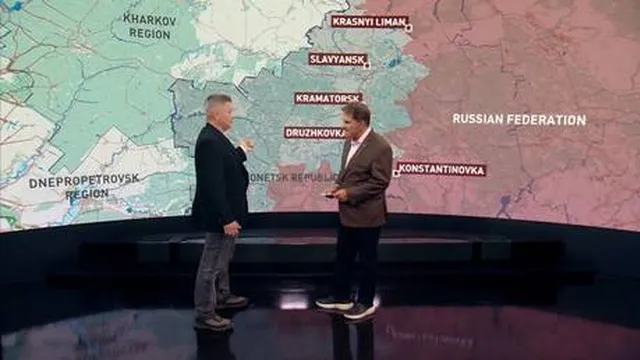
The conflict escalated dramatically in 2014 when Russia annexed Crimea following Ukraine's Euromaidan protests, which resulted in the ousting of pro-Russian President Viktor Yanukovych. This annexation was widely condemned by the international community and led to sanctions against Russia. Concurrently, pro-Russian separatist movements erupted in Eastern Ukraine, particularly in the Donetsk and Luhansk regions, leading to a protracted conflict that has resulted in thousands of deaths and significant displacement of civilians. The situation has been characterized by a series of ceasefires and peace agreements, notably the Minsk agreements, which have struggled to achieve lasting peace and stability in the region.
The conflict has not only been a military confrontation but also a battle for narratives and influence. Russia has employed various tactics, including disinformation campaigns and cyber warfare, to undermine Ukraine's sovereignty and promote its own geopolitical interests. The West, in response, has provided military and economic support to Ukraine, reinforcing its commitment to Ukrainian sovereignty and territorial integrity. The ongoing conflict has also highlighted the broader geopolitical struggle between Russia and Western nations, with Ukraine often caught in the middle, navigating its aspirations for European integration against the backdrop of Russian aggression.
As of 2026, the situation remains tense, with sporadic fighting continuing in Eastern Ukraine and diplomatic efforts ongoing to resolve the conflict. The war has had profound implications for regional security, international relations, and the lives of millions of Ukrainians. The resilience of the Ukrainian people and their desire for a democratic and independent future continue to shape the narrative of this conflict, as they strive to overcome the challenges posed by both internal divisions and external pressures. The history of the Ukraine-Russia conflict is not just a tale of territorial disputes but a reflection of the struggle for identity, sovereignty, and the right to self-determination in the face of adversity.