

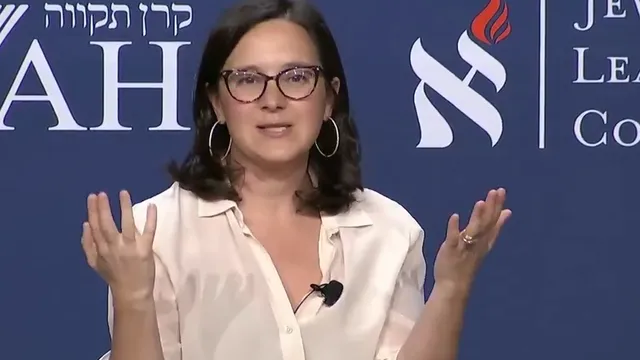
Bari Weiss halts critical 60 Minutes segment on Trump deportations to Salvadoran prison
Bari Weiss halts critical 60 Minutes segment on Trump deportations to Salvadoran prison
- Bari Weiss delayed a segment about the CECOT prison that was critical of Trump administration deportations just before it was set to air.
- Former CBS News reporters are expressing concern about editorial independence and potential political influence over news content.
- This situation underscores significant worries about the future integrity of journalism at CBS News amid ongoing political pressures.
Story
In the United States, a significant controversy has emerged surrounding the editorial direction at CBS News, particularly concerning Bari Weiss, the newly appointed editor-in-chief. On December 21, 2025, hours before a planned segment titled 'Inside CECOT' was to air on the iconic news program 60 Minutes, Weiss made a last-minute decision to delay the story. The segment, which was critical of the Trump administration's practice of deporting Venezuelan migrants to the notorious El Salvadoran prison CECOT, had reportedly been cleared for airing after extensive internal review. The abrupt cancellation triggered backlash from former CBS journalists, who have expressed deep concerns about editorial independence at the network. The delayed segment had drawn attention due to its focus on the treatment of deported migrants and the role of government officials in these deportations. Weiss, who had previously faced criticism for her handling of CBS News narratives, argued that the story required additional reporting to include the views of Trump administration officials. She recommended reaching out to key figures such as Tom Homan, a former immigration czar, and Stephen Miller, a White House adviser known for his hardline stance on immigration. The request for additional interviews was perceived by many inside the network, including the segment's reporter Sharyn Alfonsi, as a politically motivated maneuver rather than a genuine editorial concern. Weiss's decision to pull the story ignited intense debate among CBS News staff, many of whom felt that the incident represented an unprecedented level of editorial interference. Alfonsi and other correspondents noted that the segment had already gone through rigorous internal checks and had received legal approval. They argued that the government’s refusal to participate should not negate the validity of the report, framing such silence as a statement on the issues being covered. Weiss’s actions have raised questions about her commitment to journalistic integrity, as critics worry that her tendency to align with political pressure may undermine the credibility of CBS News and its flagship program. In response to the uproar, a group of former CBS News journalists has initiated a petition urging Paramount CEO David Ellison to intervene and reinforce the principles of editorial independence at CBS. They contended that Weiss's decision to delay 'Inside CECOT' exemplifies a disturbing trend that jeopardizes press freedom in a politically charged environment. This incident comes at a critical time when conventional media sources are grappling with public disillusionment, and any signs of compromise on editorial integrity could exacerbate industry challenges. As the letter circulates among former staffers, the attention surrounding it highlights ongoing tensions between the network's journalistic mission and pressures stemming from the political landscape, especially under the new leadership of Ellison and Weiss, whose reputations are increasingly scrutinized amid the ongoing controversy about political influence over news coverage.
Context
The impact of political pressure on journalism is a critical and evolving issue that has significant implications for media integrity and democracy. Political pressure can manifest in numerous forms, including direct interference from government officials, economic threats to media organizations, or societal pressures that stem from public opinion. In analyzing the landscape, it is essential to understand how these pressures can shape journalistic practices and the overall quality of news reporting. A free and independent press is often considered a cornerstone of democratic society. However, when political forces exert undue influence over media outlets, it leads to a compromised journalism ecosystem that can inhibit the public's right to receive accurate and unbiased information. Various case studies have illustrated the repercussions of political pressure on journalism, including instances where reporters have faced harassment or threats for investigating politically sensitive stories. This not only creates a chilling effect on reporters but also discourages media organizations from pursuing critical investigative journalism. Furthermore, state-controlled media or organizations that lack editorial independence often present a skewed version of the facts, which can mislead the public and erode trust in media institutions. The role of social media platforms in amplifying politically charged narratives also complicates this landscape, as misinformation can spread rapidly, influencing public perception and further complicating the relationship between politics and journalism. The situation is exacerbated in countries where press freedom is already under threat. In such environments, the safety and autonomy of journalists are jeopardized as they navigate the fine line between reporting the truth and complying with political expectations. In regimes with authoritarian leanings, journalists may find themselves operating under constant surveillance and facing dire consequences for dissenting views. This reality raises ethical questions about the responsibilities of journalists and media organizations to uphold journalistic standards while protecting their own safety and interests. Ultimately, the interplay between political pressure and journalism is a double-edged sword. It underscores the vital need for robust legal protections for journalists and the importance of fostering an environment where free speech and press independence are prioritized. The prioritization of media literacy also becomes crucial, enabling the public to discern credible reporting from politically motivated misinformation. Building awareness about these issues can empower citizens to demand accountability from both their governments and their journalists, fostering a healthy democratic process that emphasizes transparency and trust.


