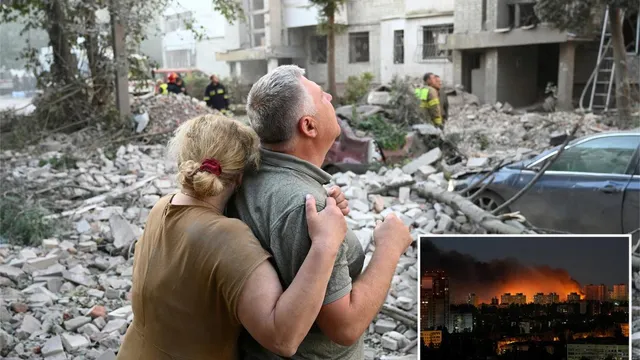
The conflict between Russia and Ukraine has deep historical roots, with tensions escalating significantly since 2014. The relationship between the two nations has been marked by a complex interplay of cultural, political, and territorial disputes. Ukraine, which gained independence from the Soviet Union in 1991, has often found itself caught between Western influences and Russian interests. The situation intensified when Russia annexed Crimea in March 2014, following Ukraine's Euromaidan protests that led to the ousting of pro-Russian President Viktor Yanukovych. This annexation was widely condemned by the international community and led to sanctions against Russia, further straining relations between the two countries and their allies.
Following the annexation of Crimea, pro-Russian separatists in Eastern Ukraine declared independence, leading to a violent conflict in the Donetsk and Luhansk regions. The Ukrainian government responded with military action, resulting in a protracted war that has claimed thousands of lives and displaced many more. The Minsk agreements, aimed at ceasing hostilities and establishing a framework for peace, have been repeatedly violated, with both sides accusing each other of failing to uphold their commitments. The conflict has not only affected Ukraine but has also had significant geopolitical implications, drawing in NATO and the European Union, which have supported Ukraine, while Russia has continued to assert its influence in the region.
In the years following the initial outbreak of conflict, the situation has remained volatile. Russia's military presence in the region has been a point of contention, with ongoing reports of troop movements and military exercises near the Ukrainian border. The international community has remained engaged, with various diplomatic efforts aimed at resolving the conflict, but a lasting solution has proven elusive. The humanitarian impact of the conflict has been severe, with millions of Ukrainians affected by the fighting, facing displacement, economic hardship, and a deteriorating living situation. The war has also fostered a sense of national identity among Ukrainians, who have increasingly rallied around the idea of sovereignty and independence from Russian influence.
As of 2026, the conflict continues to evolve, with periodic escalations and attempts at negotiation. The geopolitical landscape remains complex, with Russia's actions being closely monitored by Western nations. The ongoing war has implications not only for Ukraine but also for regional stability in Eastern Europe. The future of the conflict remains uncertain, as both sides appear entrenched in their positions. The need for a comprehensive and sustainable resolution is critical, not only for the people of Ukraine but for the broader international community, which seeks to uphold the principles of sovereignty and territorial integrity in the face of aggression.