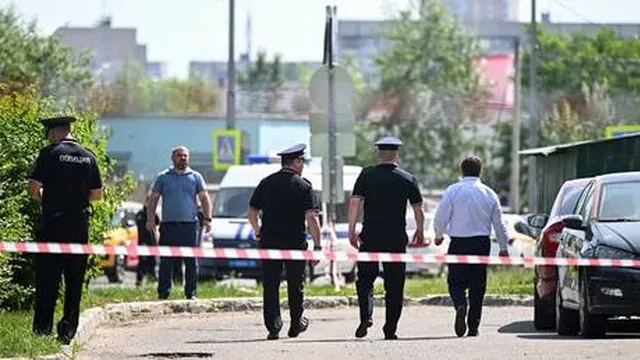
Ukraine targets Wildberries warehouses in major drone strikes
military conflicts
impactful
controversial

Ukraine targets Wildberries warehouses in major drone strikes

30
(Update: )
country in Eastern Europe
administrative division (krai) in the North Caucasus region of southern Russia
Nevinnomyssk, a single-industry town in the Stavropol territory of Russia. Territory of advanced socio-economic development
  • Ukrainian drones targeted logistics centers of Wildberries in Krasnodar and Nevinnomyssk, resulting in injuries to at least ten people.
  • The strikes are part of Ukraine's ongoing campaign to disrupt Russian military supply lines and compel negotiations.
  • The attacks have caused significant damage to Wildberries, with potential losses estimated in the billions of rubles.
Share opinion
3

Story

On July 22, 2026, Ukrainian military forces launched drone strikes against logistics centers belonging to Wildberries, Russia's largest online retailer, located in Krasnodar and Nevinnomyssk. This marked the third attack on Wildberries in a week, as Ukraine escalated its long-range strike campaign aimed at compelling Russia to engage in negotiations. The strikes resulted in injuries to at least ten individuals, with local authorities confirming three injuries in Krasnodar and five in Nevinnomyssk. The attacks were part of a broader strategy by Ukraine to target facilities that support the Russian military, including those involved in supplying drone components and navigation equipment. Ukrainian President Volodymyr Zelenskyy confirmed the successful strikes, emphasizing their importance in bringing the conflict back to Russian territory. He stated that these operations were necessary to force Russia into diplomatic discussions. The attacks have caused significant damage, with estimates suggesting that goods worth billions of rubles were destroyed, impacting Wildberries' logistics capacity. The company had previously indicated it might compensate sellers for lost goods, but such payouts could threaten its financial stability. The ongoing conflict has seen Ukraine intensifying its military operations, targeting not only logistics centers but also energy infrastructure and military supply lines deep within Russia. This strategy aims to disrupt the Russian military's operational capabilities and create pressure for negotiations. The strikes have also led to increased discontent among the Russian populace, who are beginning to feel the effects of the war more acutely as fuel shortages and economic impacts become more pronounced. As the situation develops, both countries remain entrenched in their positions, with Russia continuing its air attacks across Ukraine and Ukraine responding with targeted strikes. The conflict, now in its fifth year, shows no signs of abating, and the gap between the two sides' negotiating terms remains wide. The international community watches closely as the situation evolves, with potential implications for regional stability and global security.

Context

The ongoing conflict in Ukraine has significantly impacted Russian military supply chains, leading to a reevaluation of logistics and resource allocation within the Russian armed forces. The strikes on key supply routes and military installations have disrupted the flow of essential materials, equipment, and personnel, thereby affecting operational readiness and strategic planning. As Ukraine continues to target supply depots, transportation hubs, and command centers, the Russian military has been forced to adapt its logistics strategies to mitigate these losses and maintain its operational capabilities. This has resulted in a shift towards more decentralized supply chains, which, while potentially increasing resilience, also introduces new challenges in coordination and efficiency. The strikes have not only targeted physical infrastructure but have also had psychological effects on Russian military personnel and leadership. The constant threat of Ukrainian strikes has created an atmosphere of uncertainty, leading to increased caution in the movement of troops and supplies. This has resulted in delays and inefficiencies, as Russian forces must now prioritize security over speed in their logistical operations. Furthermore, the loss of critical supply points has necessitated the rerouting of resources, which can lead to longer supply lines and increased vulnerability to further attacks. The cumulative effect of these disruptions has been a noticeable decline in the operational tempo of Russian military operations in the region. In response to these challenges, the Russian military has sought to enhance its supply chain resilience through various means. This includes the establishment of alternative supply routes, increased use of rail transport, and the stockpiling of essential materials in more secure locations. Additionally, there has been a push towards improving the efficiency of logistics management systems to better track and allocate resources in real-time. However, these measures have not fully compensated for the losses incurred due to the strikes, and the overall effectiveness of Russian military operations has been compromised as a result. The long-term implications of these disruptions on Russian military capabilities remain to be seen. Continued Ukrainian strikes on supply chains could lead to a sustained degradation of Russian military effectiveness, potentially altering the balance of power in the region. As the conflict evolves, the ability of the Russian military to adapt its logistics and supply chain strategies will be critical in determining its future operational success. The ongoing situation underscores the importance of supply chain security in modern warfare and highlights how targeted strikes can have far-reaching consequences on military effectiveness.