On June 24, 2026, Venezuela experienced two powerful earthquakes measuring 7.2 and 7.5 in magnitude, which primarily affected the coastal state of La Guaira, located just outside the capital, Caracas. The earthquakes resulted in significant destruction, with the death toll surpassing 5,300, and many residents reported missing. In the aftermath, families have taken it upon themselves to search for their loved ones, as the government has been criticized for its slow response and efforts to clear the ruins before many families have had the chance to recover their deceased relatives.
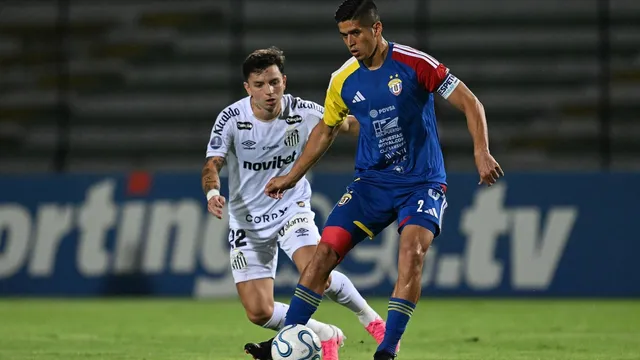
In the wake of this disaster, the Universidad Central de Venezuela (UCV) soccer club held its first major sporting event since the earthquakes, symbolizing a moment of unity and resilience for the community. The match against Santos, a Brazilian team, took place in Valencia, as UCV's home stadium in Caracas was damaged. The event served as a reminder of the tragic losses suffered, including the death of UCV's young midfielder Yimvert Berroteran, who was an under-17 international.
The emotional toll on survivors is profound, with many grappling with grief and loss. One individual, Javier, lost nine relatives in the collapse of a Misión Vivienda tower and has been actively involved in the search for victims. He expressed frustration over the demolition efforts that threaten to erase the evidence of the tragedy before families can find closure. The community has come together, forming an improvised network of volunteers and rescue workers dedicated to recovering bodies and providing support to those in need.
As the recovery efforts continue, the tension between those searching for bodies and the authorities clearing the debris is palpable. Many volunteers feel unprepared for the scale of the disaster, highlighting the need for better training and resources. The situation remains dire, with ongoing concerns about the future and the emotional scars left by the earthquakes. The resilience of the Venezuelan people is evident, but the path to recovery will be long and challenging.