

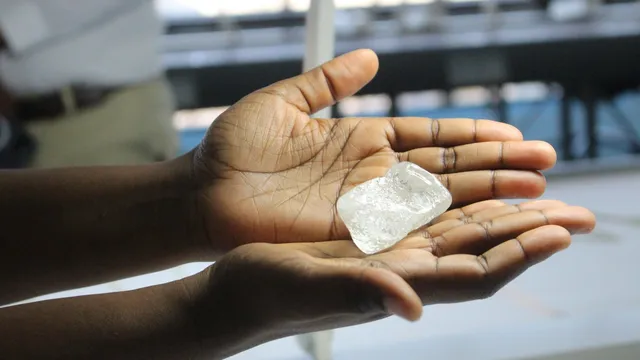
Botswana's diamond-driven economy faces severe downturn
Botswana's diamond-driven economy faces severe downturn
- Botswana's economy, heavily reliant on diamonds, has seen revenues significantly decline.
- The rise of synthetic diamonds has intensified competition in the diamond market.
- With declining incomes from diamond production, Botswana is seeking to diversify its economy.
Story
In Botswana, a nation that previously thrived on diamond production, the economy faces significant challenges as revenues plummet. Once the world's top diamond producer by value, Botswana's financial fortunes have drastically changed, prompting serious concerns about the livelihoods of its citizens. The annual average salary in the country is around $500, and many individuals, like Keorapetse Koko, are left struggling to pay debts and meet their basic needs, highlighting the personal toll of this economic crisis. The decline in Botswana's diamond industry is attributed to various factors, including the surge in synthetic diamonds, which has created fierce competition in the lower-quality stone market. This shift has not only impacted the diamond producers but also has broader implications for employment and economic stability in the region. The increasing production of synthetic diamonds presents a challenge as the industry grapples with changing consumer preferences and the economic landscape. The global repercussions of this downturn extend beyond Botswana's borders, affecting southern Africa as a whole. Falling revenues from diamond mining have led to widespread job losses and financial hardship in neighboring countries as well. As Botswana's diamond income diminishes, the government has taken steps to establish a sovereign wealth fund aimed at diversifying the economy and investing in alternative sectors. With the tourism industry, which heavily relies on wildlife and the country's rich natural resources, and other mining opportunities becoming more crucial, there is a push to reduce dependence on diamonds. While the tourism sector offers potential, the uncertainty brought about by declining diamond revenues necessitates swift action to stabilize the economy and ensure the well-being of the population. As this crisis unfolds, it calls for innovative solutions and strategic planning to secure a sustainable future for Botswana.
Context
The history of diamond mining in Botswana is a remarkable tale that intertwines economic development, social change, and the management of natural resources. Botswana, located in southern Africa, is one of the world's largest diamond-producing countries, a status that was not always anticipated by its leaders. The modern history of diamond mining began in the 1960s when geologists discovered substantial diamond deposits in the country. The discovery, particularly at the Orapa mine in 1967, marked a turning point for Botswana, which gained independence from British colonial rule shortly thereafter in 1966. The government, recognizing the potential economic benefits of diamond mining, took a strategic approach by forming a partnership with the international diamond company De Beers, ensuring that the revenues from the mines would be channeled into broader national development initiatives. The partnership between the Botswana government and De Beers has been fundamental in shaping the diamond industry in Botswana. The Debswana Diamond Company, a joint venture formed in 1965, was responsible for the exploration and mining of diamonds. This collaboration not only facilitated technology transfer and skill development but also established Botswana as a key player in the global diamond market. The mines, including Orapa, Jwaneng, and Letlhakane, have consistently ranked among the most productive in the world in terms of carat output. Revenues generated from diamond mining have significantly contributed to the country’s GDP, with diamonds accounting for a substantial portion of national income and export earnings. However, the socio-economic implications of diamond mining have been a double-edged sword. While the industry has brought wealth and improved living standards for many Botswana citizens, it has also presented challenges, including environmental degradation and social disparities. The influx of wealth from diamond mining has led to infrastructure development, healthcare improvements, and educational opportunities. Yet, it has also highlighted issues related to resource ownership, with debates centering around the equitable distribution of diamond wealth among different communities. Additionally, the reliance on diamond mining for economic stability has posed risks, particularly during periods of fluctuating global diamond prices. The government has been keen on diversifying the economy to reduce dependence on diamonds, emphasizing sectors such as tourism, agriculture, and manufacturing. As of today, Botswana continues to innovate and adapt its diamond mining practices. The country has invested in advanced mining technologies and sustainability initiatives, aiming to minimize environmental impact and ensure responsible mining practices. The Government of Botswana, alongside De Beers, has committed to establishing programmatic frameworks that contribute to local community development and environmental stewardship. As diamond mining in Botswana evolves, there is a strong focus on balancing economic growth with social responsibility and sustainability, ensuring that the industry not only continues to thrive but also provides lasting benefits to the Botswana people.


