

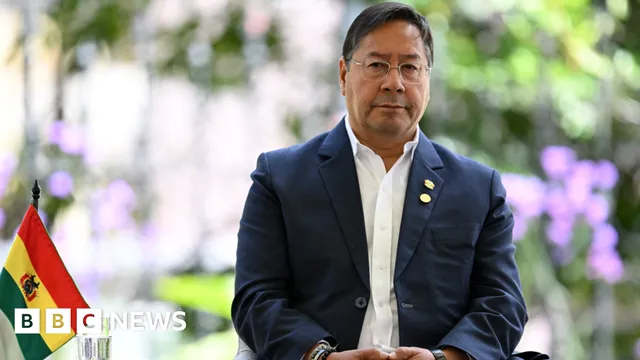
Luis Arce arrested amid corruption allegations in Bolivia
Luis Arce arrested amid corruption allegations in Bolivia
- Former President Luis Arce was arrested by Bolivian authorities as part of a corruption investigation.
- The investigation is tied to alleged embezzlement during Arce's tenure as economy minister under Evo Morales.
- The new government aims to combat corruption and restore accountability in Bolivia's political system.
Story
In Bolivia, the arrest of former President Luis Arce marks a significant moment in the country's shifting political landscape. The arrest occurred shortly after the inauguration of conservative President Rodrigo Paz, who took office less than two months ago, ending nearly two decades of socialist leadership in the nation. Arce, who served as President from 2020 until just a month prior to his arrest, is implicated in a corruption investigation related to his time as economy minister under former President Evo Morales. He was accused of facilitating the transfer of public funds into the personal accounts of political leaders, raising serious concerns about governance and accountability in the country. The Vice President of Bolivia, Edman Lara, announced the arrest through social media, expressing satisfaction with law enforcement's action against Arce. Lara indicated that Arce's arrest was a part of a broader anti-corruption initiative by the new government, promising accountability for all who mismanaged public resources. Officials allege that the investigation stems from funds that were earmarked for Indigenous development projects but were instead misappropriated, with several other politicians and officials also being implicated in the ongoing inquiry. The implications of this arrest could result in a reevaluation of corruption within Bolivia's political system. The investigation into Arce is particularly notable in light of allegations regarding a multi-million dollar embezzlement scheme at the Indigenous Peoples Development Fund (Fondioc). Resources intended for Indigenous communities may have been diverted, leaving many projects incomplete or non-existent. This situation is an alarming reflection of the challenges faced by Bolivia in restoring faith in public institutions and governance following long-standing socialist rule. The political ramifications of Arce's arrest are profound as they occur amidst rapidly changing governmental structures. President Rodrigo Paz has openly criticized previous administrations for fostering a corrupt environment and has made it clear that his administration is intent on pursuing those who have engaged in financial malfeasance. As investigations continue and additional arrests take place, the current Bolivian government appears determined to make a stark break from the past and install a sense of order and accountability, potentially reshaping the political fabric of the nation.


