

Liberal National Coalition reunites after controversial split over hate speech laws
Liberal National Coalition reunites after controversial split over hate speech laws
- The Liberal Party and National Party reunited on February 8, 2026, after previously splitting over hate speech legislation.
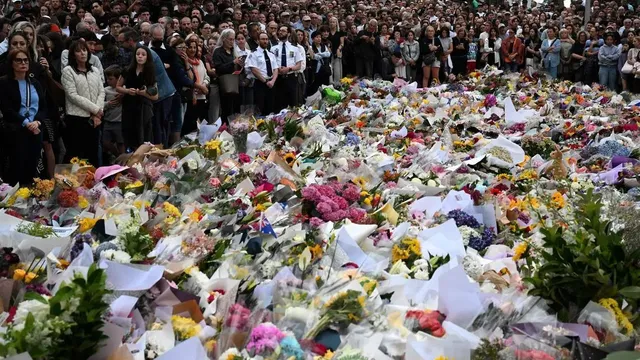
- The split was prompted by the National Party's opposition to reforms enacted after a tragic mass shooting at Bondi Beach.
- The coalition aims to restore unity and address the challenges that resulted from the recent divisions, especially ahead of future elections.
Story
In Australia, the conservative opposition coalition, comprising the Liberal and National parties, officially reunited on February 8, 2026, after a division that began in January over government-backed hate speech laws. This coalition split was the second occurrence in less than a year, following an earlier division in May 2025 primarily related to climate and energy policies. The recent rupture stemmed from a backlash against reforms introduced after a mass shooting at Bondi Beach that claimed 15 lives in December 2025. While the Liberal Party supported these reforms, the National Party leaders voiced opposition based on free speech concerns, leading to their initial withdrawal from the coalition. During a media conference in Canberra, Liberal Party leader Sussan Ley announced the reconciliation alongside National Party leader David Littleproud. Ley emphasized the coalition's responsibility to look towards the future and acknowledged the difficulties faced by millions of their supporters amid the recent divide. The controversial hate speech laws instituted tougher penalties for groups deemed to promote hate, accounting for increasing tensions between the coalition partners and dissent within the ranks of the National Party, which primarily advocates for rural constituencies. The political tensions have been exacerbated by the rise of populist figures like Senator Pauline Hanson, whose anti-immigration One Nation party has gained traction in public opinion polls. The coalition aims to consolidate its base and restore unity in the face of a challenging political landscape following a significant electoral defeat in 2025, where the Labor government secured a landslide victory. Ley’s comments reflected a broader recognition within the coalition seeking unity and reinvigorated focus on shared objectives in preparation for upcoming political challenges. This realignment of their partnership and commitment to a joint shadow cabinet decision-making process underscores the necessity for cooperation as they vie for public support against a backdrop of changing political dynamics and voter sentiment. The coalition had not experienced such divisions since 1987 before the brief breakdown last year. However, the recent split and subsequent reunion highlight the internal conflicts challenging political alliances in Australia, particularly in navigating the pressures of legislative reforms that resonate deeply with core party values. As rural conservatives feel increasingly sidelined by city-centric policies, the need for the Liberal and National parties to reassess their strategic approaches to governance and representation will be crucial as they aim to regain lost support in future elections.


