

Groundbreaking CAR-T therapy shows promise for multiple sclerosis patients
Groundbreaking CAR-T therapy shows promise for multiple sclerosis patients
- Research is investigating CAR-T therapy's impact on patients with multiple sclerosis.
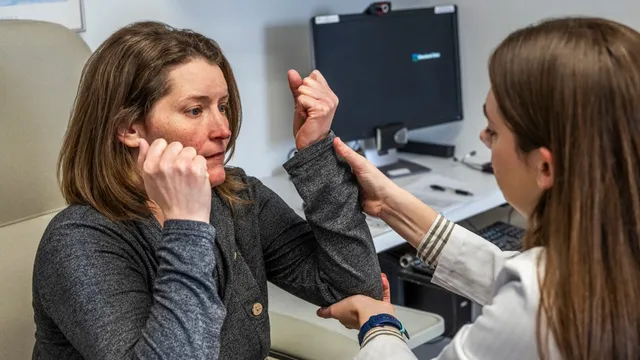
- Grace Miller, diagnosed with multiple sclerosis at 24, struggles with mobility and vision loss.
- Further studies are required to determine CAR-T's effectiveness in treating multiple sclerosis.
Story
In recent developments regarding multiple sclerosis treatment, researchers are exploring the potential use of CAR-T therapy to alleviate symptoms for patients suffering from the disease. An early-stage clinical trial is underway, focusing on this innovative approach. Grace Miller, a law student, was diagnosed with multiple sclerosis at the age of 24 and has experienced significant challenges, including fluctuating vision and mobility issues requiring the use of a cane. The current MS treatments primarily target B cells but are limited in accessing those within the central nervous system. CAR-T therapy has emerged as an option that might overcome these limitations by effectively targeting disordered B cells both in the bloodstream and within the brain. This approach is noteworthy because overactive B cells are believed to be a significant contributor to the neurological progression of multiple sclerosis, particularly in cases like progressive MS, characterized by a gradual decline in function and increasing disabilities. Dr. Jeffrey Cohen from the Cleveland Clinic's Mellen Center for Multiple Sclerosis expressed optimism about CAR-T's capabilities to selectively eliminate harmful B cells that evade existing therapies. However, he cautioned that these exploratory studies are in their infancy, and results may vary. There are concerns about the long-term efficacy of CAR-T treatment, especially for progressive forms of MS, where previous damage might hinder the effectiveness of any new treatment. Despite the uncertainty surrounding CAR-T therapy’s potential to repair neurological damage, researchers agree that understanding the mechanisms of the immune system through these trials will yield valuable insights into MS and its treatment. The innovations in CAR-T technology present a hopeful avenue for MS patients, but continued research is required to assess effectiveness and the possibility of curtailing disease progression, making it a critical area of focus for both patients and healthcare providers.


